
After the Savannah, the Sea: What the Indian Ocean Asks of You
Most people arrive at the coast after safari still carrying the land. The dust, the silence and the particular quality of attention that comes from watching a landscape for hours. What they may find in the Western Indian Ocean, if they know where to look, is a continuation of it. The same ancient rhythms. The same fragile abundance. All to answer the same question: what does it mean to be here, and to leave it better than you found it?
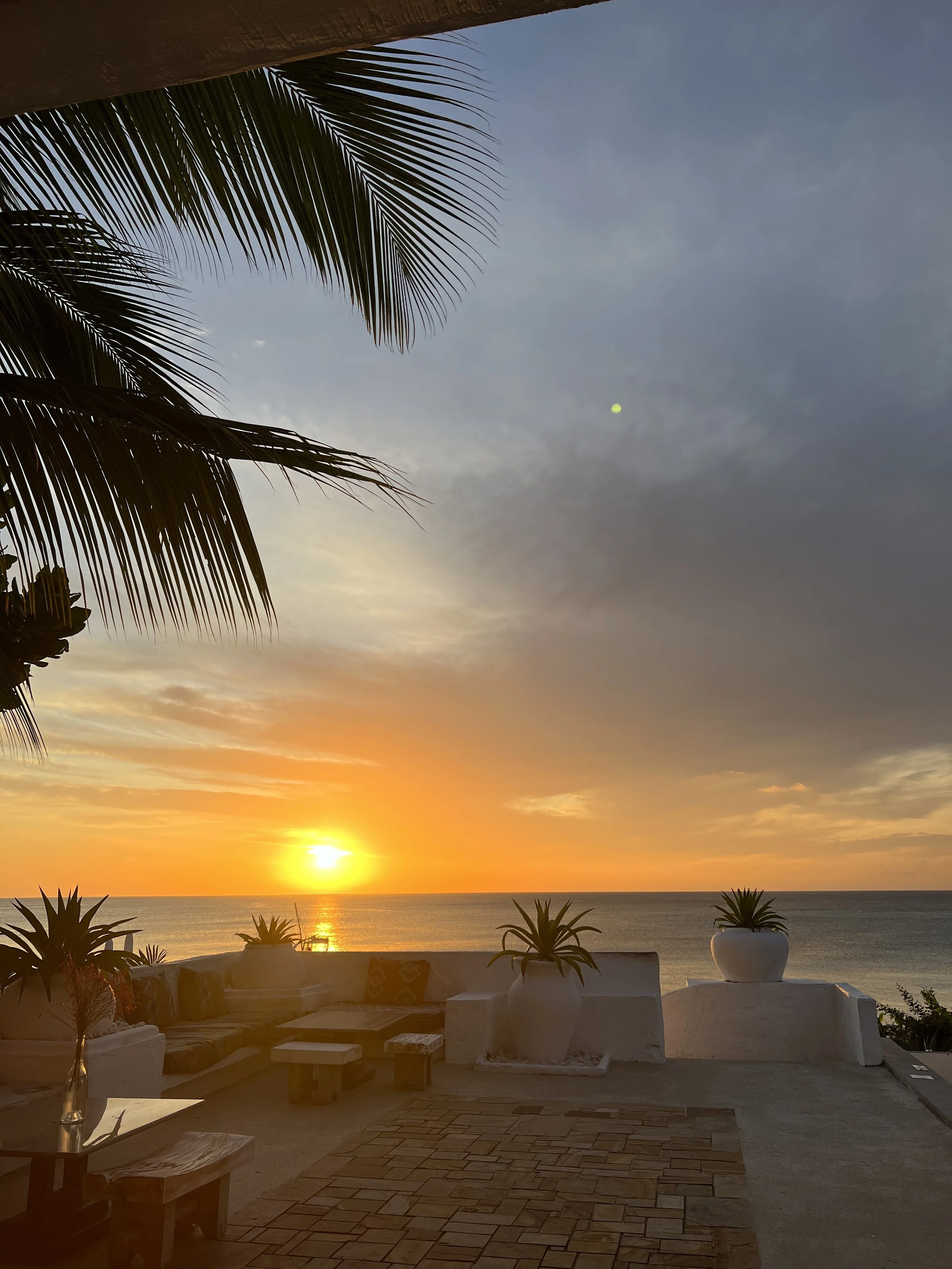
The Trap of the "Beach Extension"
For travellers who have invested significant resources into a meticulously crafted East African or Southern African safari, the standard second act often feels jarring. You leave the raw, unfiltered wilderness of the Serengeti or the Okavango Delta, only to be handed a cocktail menu at a crowded, generic beach resort.
In the luxury travel industry, this is colloquially known as the "beach extension." But a highly considered journey shouldn't suddenly lower its stakes the moment you hit the coastline. You are not looking for a cheaper, passive second act. The framing shouldn't be to simply "add a beach"; it must be to complete the picture.
The Western Indian Ocean is a Blue Serengeti
The Western Indian Ocean (WIO) is not merely a scenic backdrop for a sun-lounger; it is an active, profoundly important marine wilderness. When high-intent travellers search for what to do after safari in Mozambique or Tanzania, they are almost universally met with listicles of infinity pools, aggregator pages, and casual snorkelling roundups.
But to those who understand the science of this ocean, it reads like a map of vital, fragile ecosystems. Consider the ecological weight of the region:
The Bazaruto Archipelago (Mozambique) hosts one of the last viable dugong populations in the entire Western Indian Ocean.
Mnemba Atoll (Zanzibar) sits squarely within a documented, highly active reef manta ray corridor.
The Quirimbas Archipelago contains some of the least-studied, yet most resilient, coral systems in the southern hemisphere.
Engaging with this environment requires more than a luxury hotel stay. It demands a post-safari Indian Ocean conservation experience grounded in field authority, the kind of expedition that no standard travel agent or resort possesses the scientific infrastructure to provide.
The Blueprint: Stone Town to Mafia via Latham Island
At Seas4Life, our answer to the post-safari question is built on marine science and uncompromising access. Our sea expedition from Stone Town to Mafia via Latham Island is the perfect post-safari continuation, taking you away from the crowds and deep into true marine wilderness.
1. The Launch: Stone Town, Zanzibar
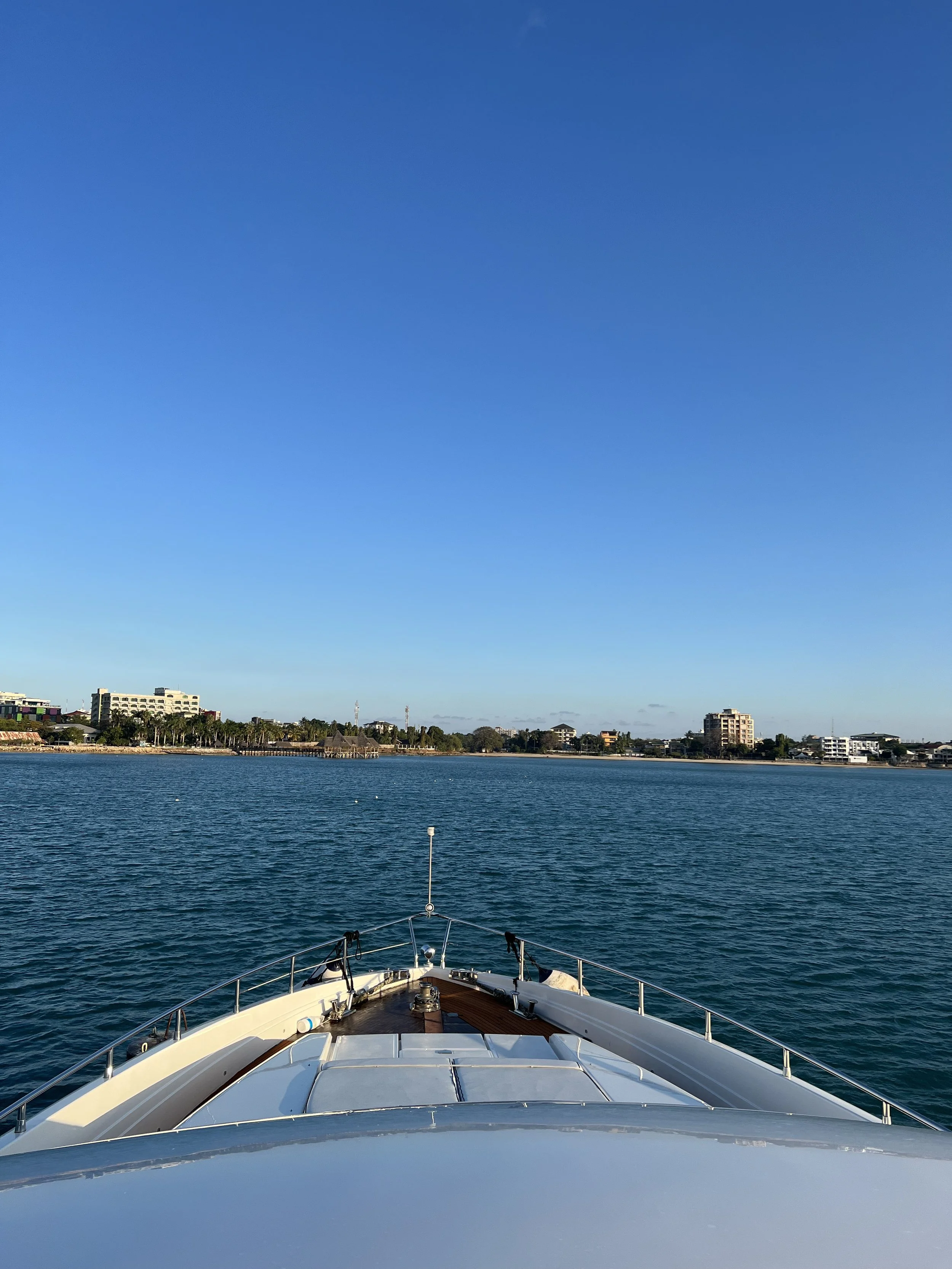
The journey begins in the cultural heart of the Swahili Coast. Leaving the historic alleyways of Stone Town behind, you board a private, fully crewed liveaboard yacht. As the mainland fades, so does the conventional tourist trail.
2. The Frontier: Latham Island (Fungu Kizimkazi)
Sailing south, we reach Latham Island, a remote and isolated coral atoll that is fast becoming a crucial protected marine area. Often described as a "David Attenborough-esque" hidden gem, Latham is almost devoid of human habitation. Instead, it is governed by massive, thriving colonies of seabirds like masked boobies and noddies, and serves as a vital nesting ground for green turtles.
Because of its isolation and deep plunging drop-offs, Latham is globally renowned for its pelagics. Here, you are witnessing a wild, untouched marine ecosystem operating exactly as it has for millennia, usually as the only boat on the horizon.
3. The Culmination: Mafia Island Marine Park
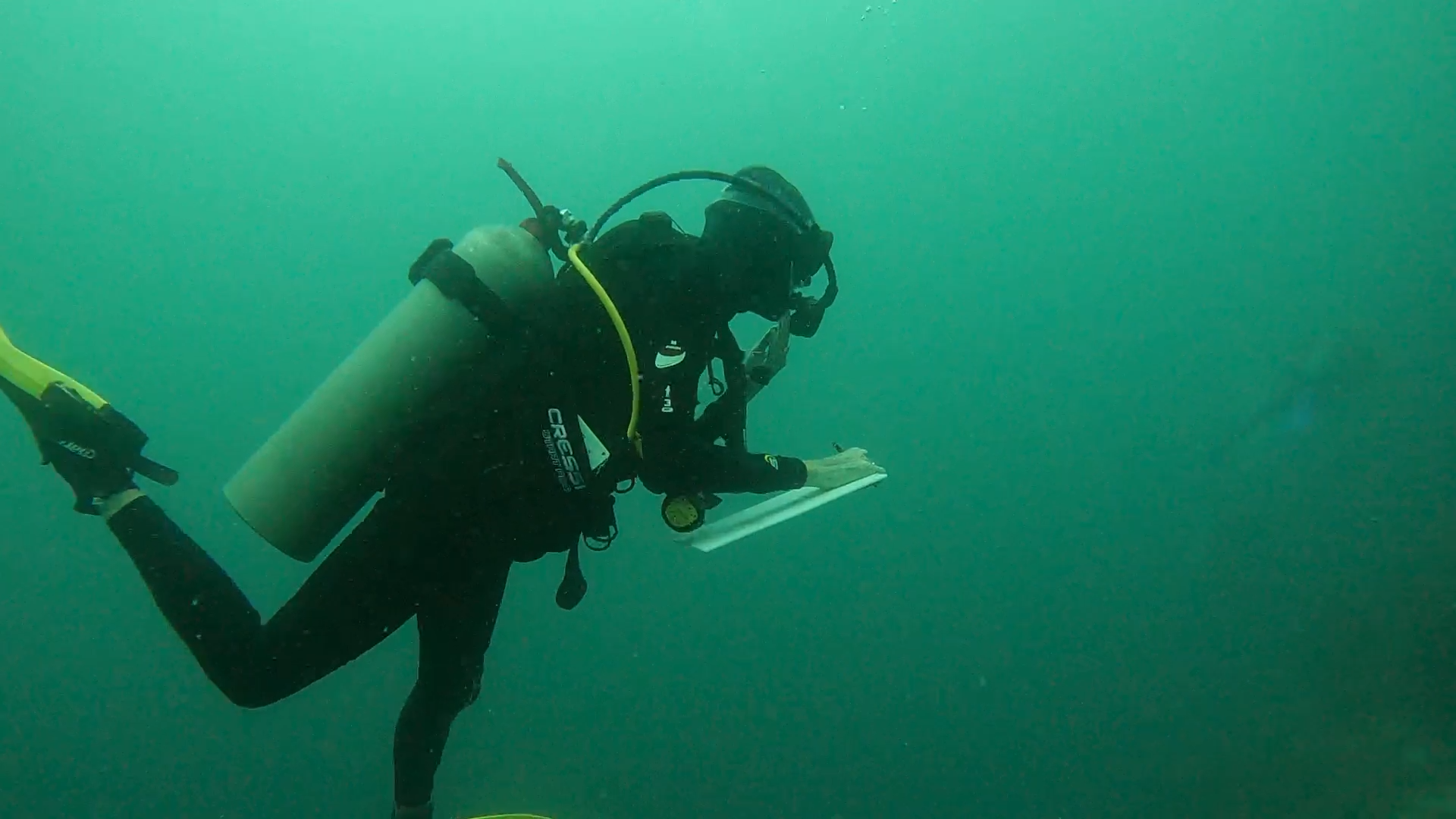
The expedition concludes in the protected waters of the Mafia Island Archipelago. While Mafia is known for its pristine reefs and whale sharks, a Seas4Life expedition transforms this into an exclusive field encounter. Rather than a standard tourist excursion, we connect you directly with the resident whale shark scientists and marine researchers. When you slip into the water alongside these ocean giants, you are contributing to their ongoing study and conservation, gaining a behind-the-scenes understanding of their survival.
What the Ocean Asks of You
Choosing how you spend your post-safari days carries genuine ecological weight. By opting for an expert-led, science-integrated sea safari, you ensure that the financial and emotional investment of your travel actively supports the survival of the blue wilderness. You transition from a spectator to a participant.
After the savannah, the sea is waiting. Come and complete the picture.
Frequently Asked Questions (FAQ)
What is the best post-safari Indian Ocean conservation experience?
The ultimate post-safari experience swaps generic beach resorts for expert-led marine expeditions. A prime example is the Seas4Life yacht expedition from Zanzibar's Stone Town to Mafia Island via Latham Island, which integrates luxury travel directly with marine biologists, pelagic diving, and whale shark conservation.
I am looking for what to do after safari Mozambique or Tanzania. What do you recommend?
Instead of a standard "beach extension," seek out destinations with significant ecological importance. In Mozambique, the Bazaruto Archipelago offers the chance to learn about rare dugong populations, while the Quirimbas feature pristine, unstudied coral reefs. In Tanzania, sailing to the Mafia Island Marine Park allows you to swim with whale sharks alongside the scientists actively researching them.
What makes Latham Island so special for a sea safari?
Latham Island (Fungu Kizimkazi) is a remote, uninhabited coral atoll south of Zanzibar, completely removed from the standard tourist circuit. It is renowned for its "David Attenborough-esque" wildlife, serving as a critical nesting site for green turtles and massive seabird colonies. Surrounded by deep waters, it is also a premier site for pelagic marine life and is currently transitioning into a heavily protected area.
How does Seas4Life differ from booking a luxury beach resort?
Seas4Life operates with unmatched field authority in the Western Indian Ocean. While resorts offer a static luxury experience, Seas4Life creates private, mobile sea safaris that connect travelers directly with marine researchers and conservation agencies. It is an active, science-grounded immersion designed to match the caliber, exclusivity, and impact of an exquisite land safari.