
The Watamu Diaries Part 1: The Power of Protection and the Magic of Scale
When most people think of Christmas in Watamu, they think of beaches, bars and lots of social time. That’s where their energy and focus lie. For me, the real energy of Watamu is found at sea - not to say I don’t enjoy the socialising - it’s just the ocean is magic especially when calm with 15+ metres of visibility.
I’ve spent years diving the Kenyan coast, and there is something about diving in Watamu the mid water fish including snappers, bat fish, bigeyes and occasional wahoo swimming by, the healthy camouflage grouper (Epinephelus polyphekadian); watching cooperative feeding between the peacock grouper and moray eels, healthy hard corals and soft coral gardens with 1000’s of anthias and damsels swimming above - it’s quite mesmerising!
Watamu vs. The South Coast - Kenya
I often get asked how the diving here compares to Diani or the south coast in general. My answer is always a technical one: it’s the difference between "cryptic species and turtles" and "scale of species and shoals of fish."
The South Coast is always fantastic and divable throughout the year, bar a few days/weeks a year. When diving here, apart from being on the the wreck - MY Funguo and Kinondo - 2 of my favourite Diani spots, where there are shoals of fish, attention and focus on the dives is on the smaller, hidden, "cryptic" creatures; ghost pipefish, seahorses, boxfish, cuttlefish and octopuses. It’s a treasure hunt. Watamu is a different experience entirely. Because it is a Marine Protected Area (MPA) supported by the KWS and a dedicated local community, the biodiversity and populations are more abundant.
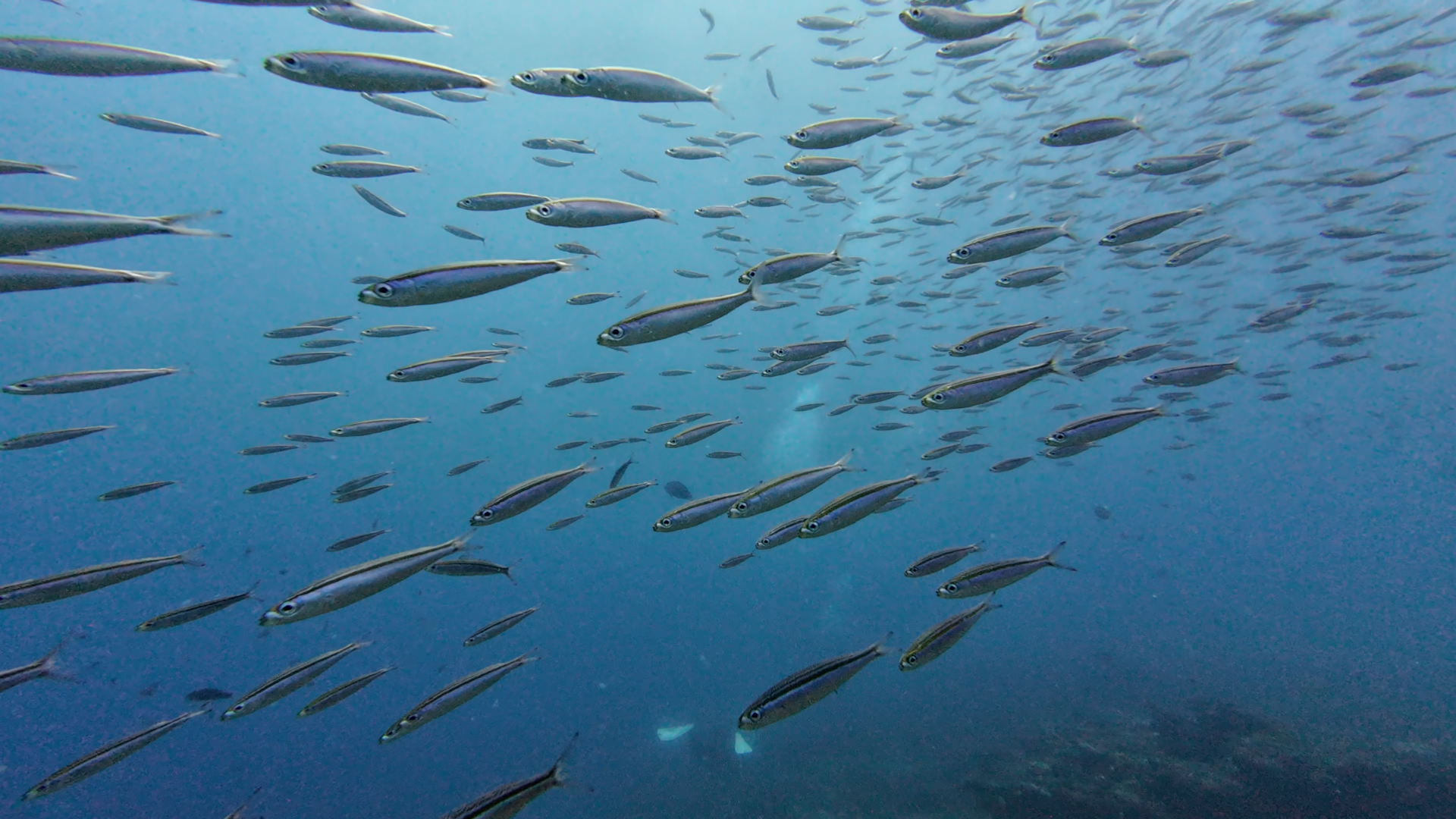
Slender fusilier swimming and schooling, Gymnocaesio gymnoptera
The wonder of South Canyon
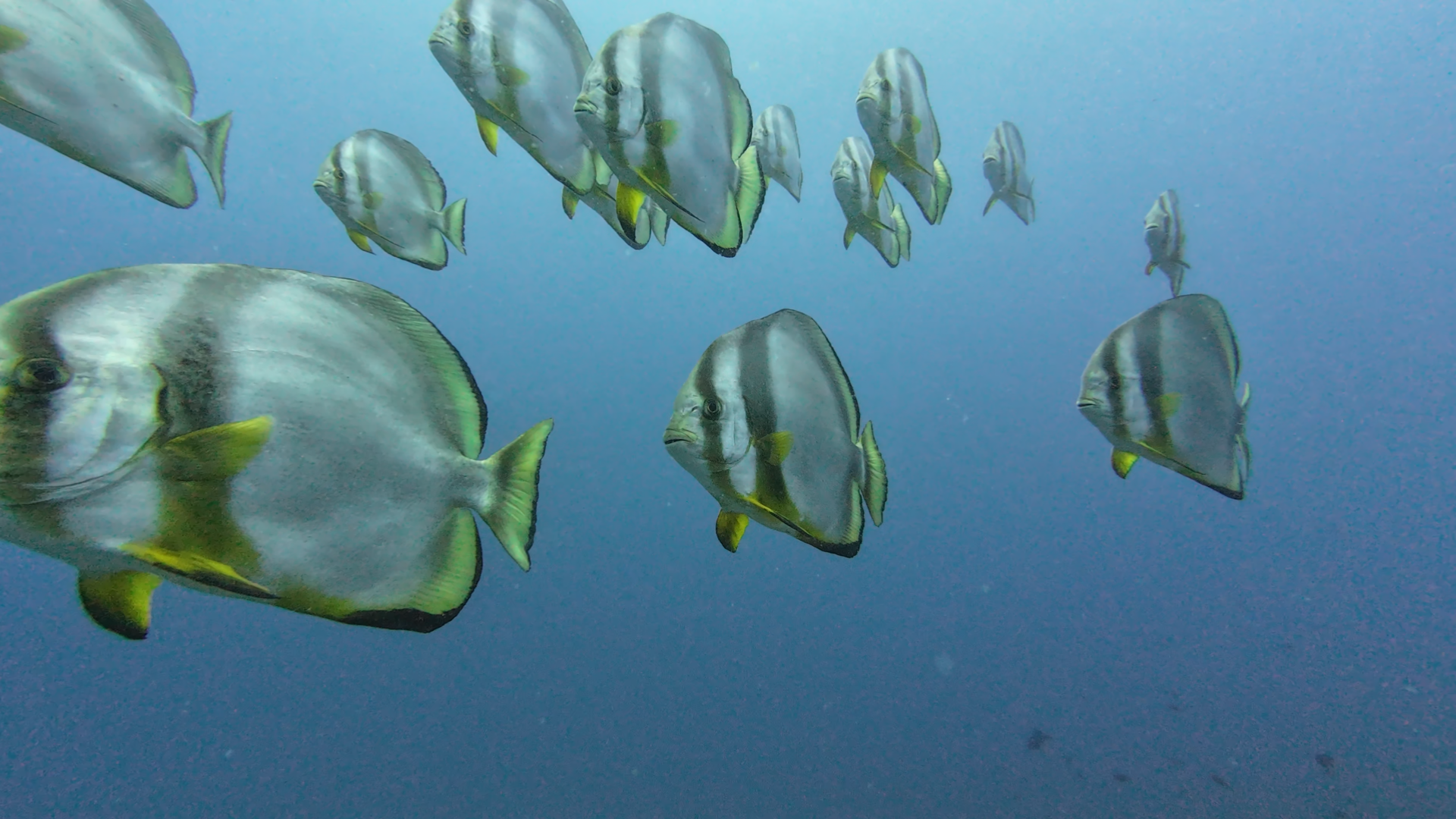
Orbicular batfish (Platax orbicularis)
If you want to understand the health of the Indian Ocean in Watamu, you go to South Canyon. On my recent dives there, the most amazing thing wasn't just what I saw, but how it felt. There is an incredible energy when you’re surrounded by batfish and a huge variety of snappers - being part fish - I feel at home and never want to come up. But the real show-stoppers were the Fusiliers. Seeing them come through showing the yellow band, all swimming in perfect synchronicity, it’s like watching the ocean breathe. The level of population density is a good indicator of marine protection working.
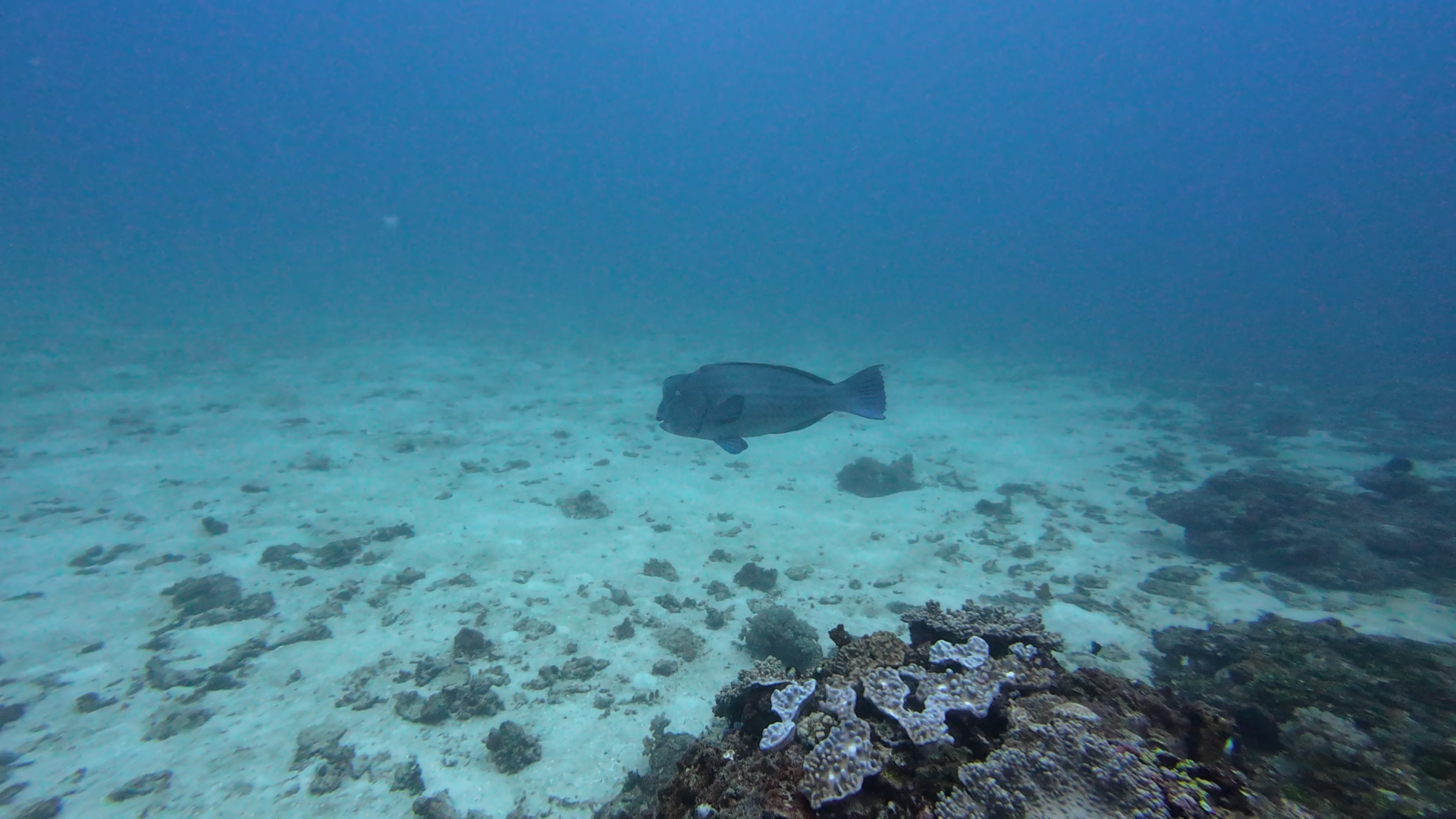
Bumphead Parrotfish
The Return of the Giants
As a diver and conservationist, you start to look for indicators of reef health. Whilst diving 'Brain and Antheas Reef' there were over six different species of grouper, butterlfly and angel fish. For an expert eye, that’s an ecological win.
Added to this, when we came back to ‘Brain coral’ a lonesome but healthy bumphead parrotfish (Bolbometopon muricatum) happily swam around the anchor line. I don’t think they’ve been seen in Watamu for quite a while. These are massive, slow-growing fish that are often the first to disappear when a reef is under pressure. Added to this I saw a couple of young Napoleon Wrasse. Seeing these fish on a reef is a good indication that the reef is healthy and that biodiversity is reclaiming its space.
The Diver’s Calendar: When to Drop In
Watamu has a very specific, glorious window from October to April and Diani offers year round access.
During the New Year, the sea was calm and visibility was good making dive experiences even better. The Kaskazi (the North-East monsoon) hadn't quite started!.
Diving with the team at Aqua Ventures, where I first learned to dive years ago, reminded me that when the conditions are right, that Watamu diving is beautiful. It reminded me of one of my first dives, when Steve and Helen were leading a dive and a ‘cloud’ came over us - they pointed up and there was a whale shark above us. That was years ago - but the beauty is still there.

Brain coral with anthias and humbugs surounded by soft coral
It’s not just luck that makes a dive glorious; it’s the result of decades of protection. And in Watamu, that protection has created something truly calming and beautiful especially when you get the conditions right, and with a great team.
- Julie
In Part 2, Julie takes us out of the deep blue and into the endurance of the shallows with her 10.5km swim from Mida Creek. In the meantime, if you're ready to start your own journey into the blue, reach out to Julie and the Seas4Life team to discover a more knowledgeable way to travel.