
What is a safari extension on the East Africa coast?
A safari extension is the coastal chapter that follows a bush itinerary. Seas4Life designs and runs that chapter for safari agents: a four-night, five-day programme on the Kenyan or Tanzanian coast, with accommodation, boats, transfers and guiding managed by one operator. Seas4Life is a Kenya-based marine expedition operator working across the Western Indian Ocean.
Anyone who has sent clients on safari knows the moment this matters. The last game drive is over, the dust has settled on the bags, and a quiet question arrives: what now? Too often the answer is a beach hotel booked on price and a sunset cruise that looks like everyone else’s. The final days of a journey that began with such care end up feeling like an afterthought.
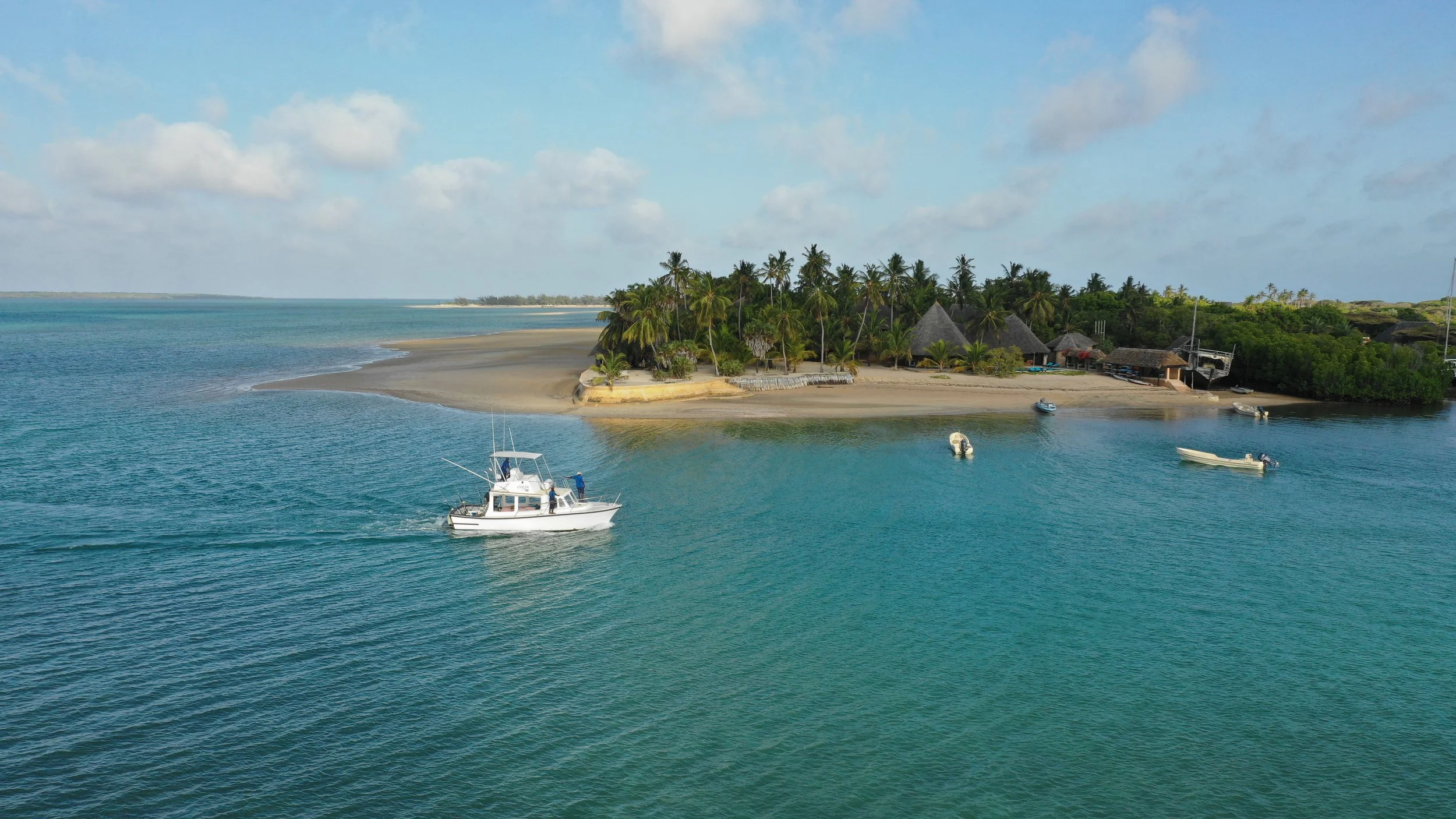
Which coastal extension suits which safari?
The right extension depends on where the safari ends, and each of our six is matched to a region so the journey from bush to beach stays short and natural. All six run four nights and five days, and all are arranged around your clients’ dates.
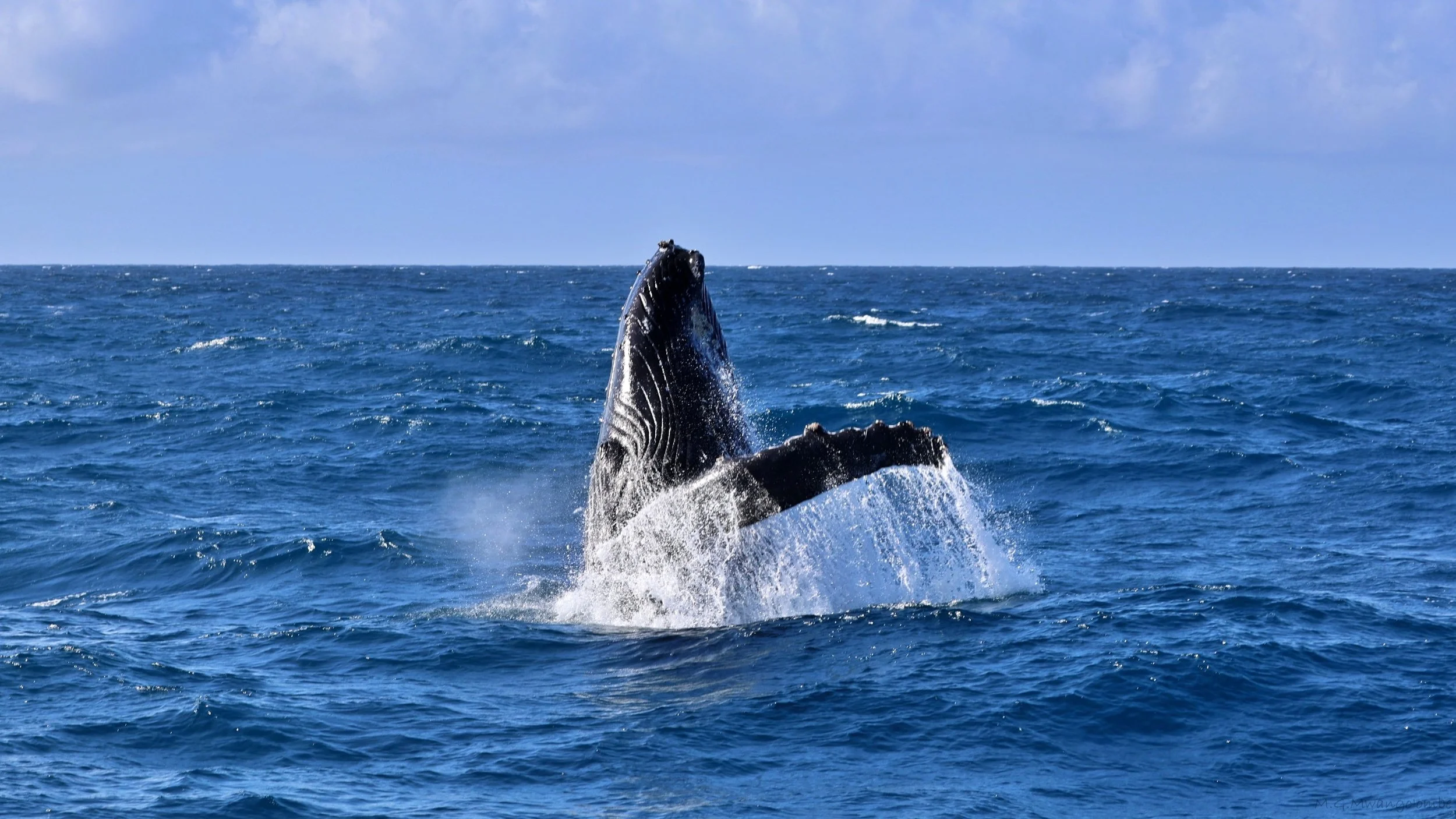
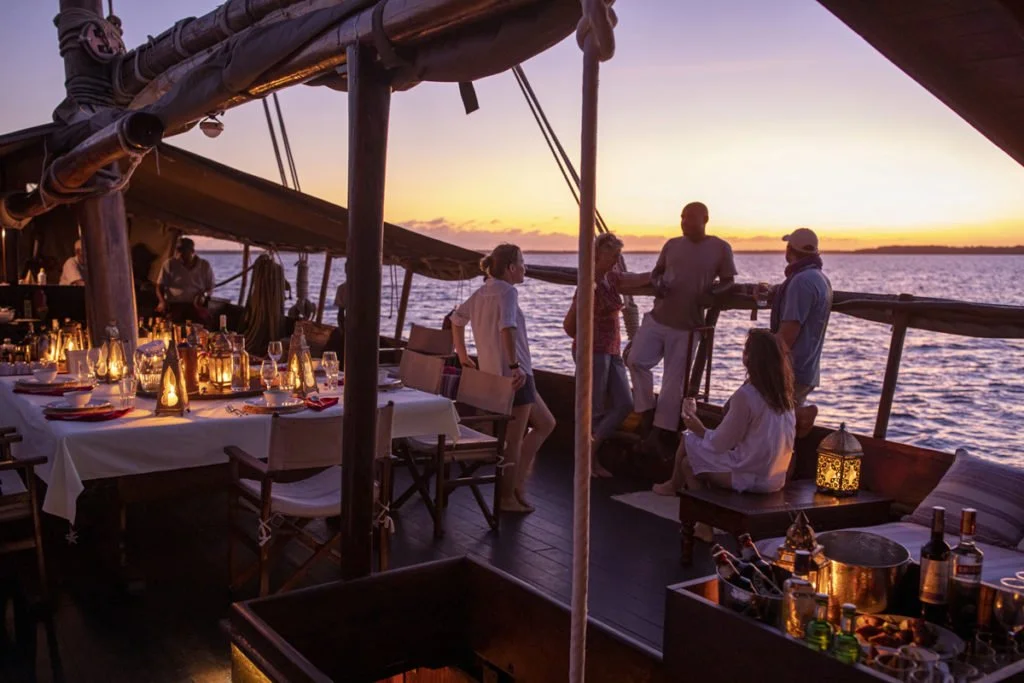
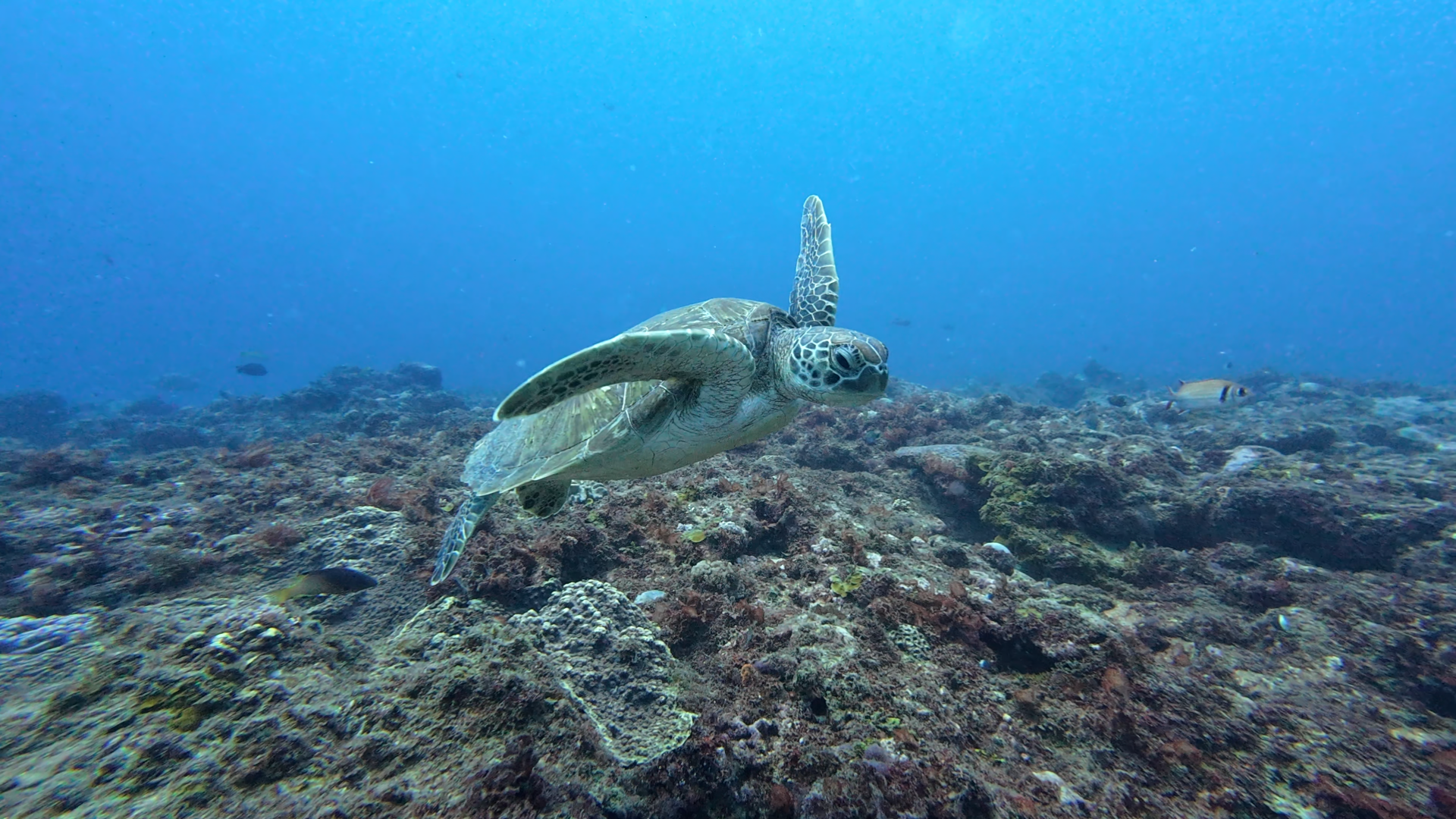
For clients finishing in the Maasai Mara, we recommend Sailing the Kenyan Coast, which carries them 110 nautical miles from Mombasa to Lamu by traditional dhow. Along the way they snorkel over a 16th-century Portuguese wreck and paddleboard through mangrove channels. For those coming out of Laikipia and Northern Kenya, Watamu: Sea Turtles & Cetaceans is a conservation-led stay on one of Kenya’s richest reefs. Guests snorkel with hawksbill turtles beside former poachers who now monitor them, and between July and October they can log humpback sightings with whale researchers.
Tsavo and Amboseli itineraries connect well with three different parts of the coast. In the Lamu archipelago, Sailing the Lamu Archipelago puts a small group aboard a 60-foot private dhow, with star beds on deck, snorkelling off Kinyika Island and a day in Lamu Old Town. Exploring Lamu by Land is the same archipelago from the shore, based at Manda Bay. Guests tag and release sailfish, record dolphin and whale calls with hydrophones, and visit a coral restoration site. On the south coast, Diani & Tiwi brings clients into the work of the Olive Ridley Project, photographing turtles for an identification database, and adds low-tide walks on the reef and a morning whale-watching from July to October.
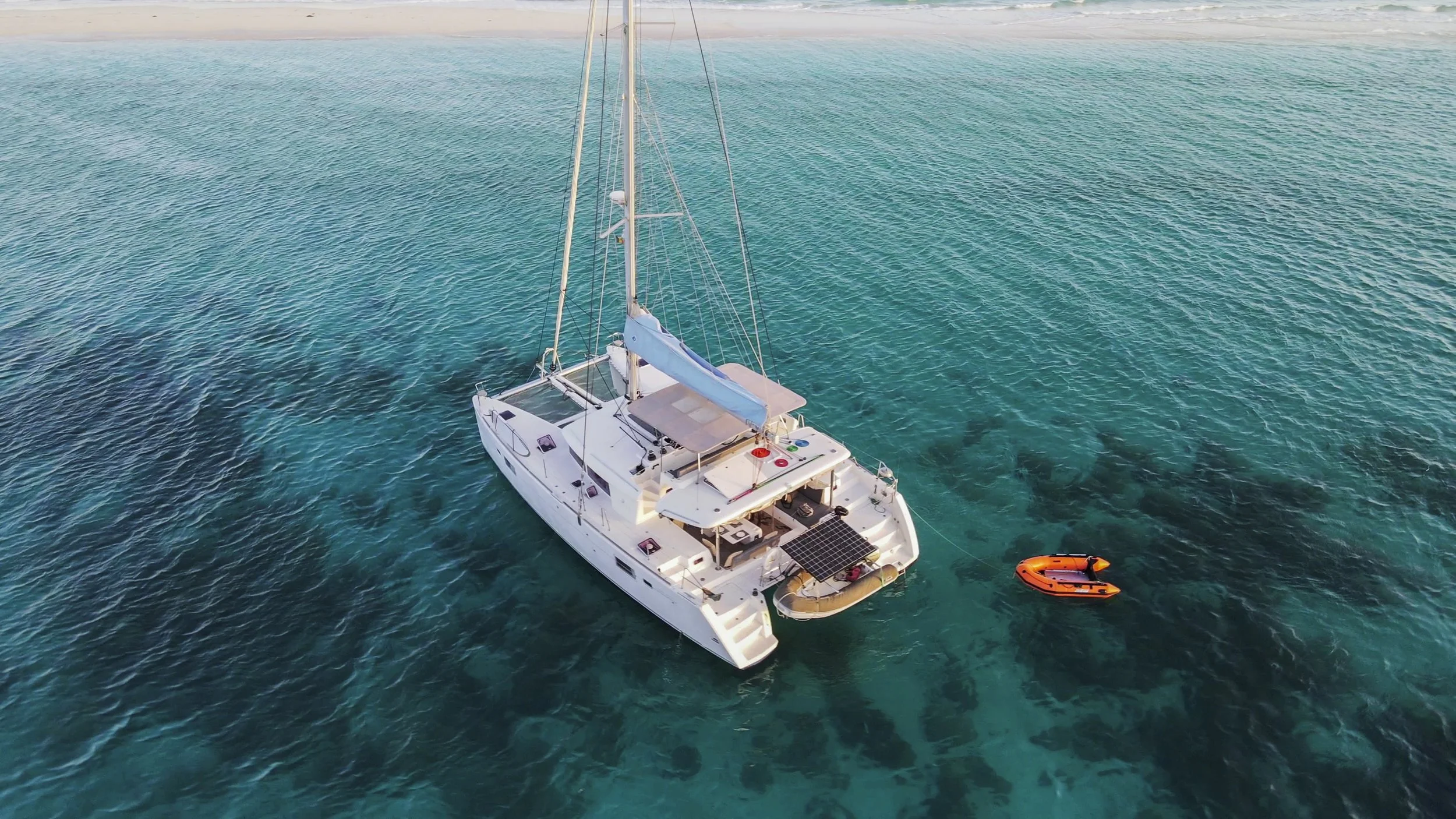
For clients ending in the Serengeti or Selous, Spice Islands by Sea crosses into Tanzania. A private catamaran sails around Pemba’s reefs and Misali Island, then arrives by sea into Stone Town.Why does a coastal extension need its own specialist?
Because the ocean asks for different expertise than the bush does. On safari, clients have an expert guide, well-maintained vehicles and hand-picked camps. At the coast they usually get a hotel activity desk, boats of unknown standard and a patchwork of local suppliers. A Seas4Life guide or host stays with your clients from arrival to departure, leads every in-water activity, watches the tides and makes the safety calls. The vessels, dhows and skippers are ones we work with year-round, and we are the single operator responsible for every activity, in and out of the water.
What makes these coastal journeys different?
Every extension includes at least one hands-on research or conservation activity, so guests leave as contributors and not as spectators. That is the difference clients notice.
At Watamu, guests snorkel in Mida Creek with hawksbill turtles beside the people who once hunted them and now protect them. Around Diani and Tiwi, they dive or snorkel with the Olive Ridley Project, photographing turtles for an identification database of around 700 animals. At Manda Bay, a cetacean scientist lowers hydrophones so guests can listen to dolphins and whales, and local captains tag and release sailfish. Off Pemba, the community-protected reefs of Misali Island, a sanctuary since 1998, show what local stewardship looks like in practice.
None of it is staged for visitors. As one guest, Eda Argun of Watamu, put it: “It was amazing to have Julie’s expertise and Kristy’s incredible planning skills, without which this trip would not have been the same.”
Who is behind Seas4Life?
Seas4Life was founded by marine conservationist Julie Church, who was born and raised in the Kenyan safari landscapes and has spent more than 25 years leading ocean-centred initiatives across the Western Indian Ocean, working with organisations such as WWF and IUCN. Her family first made a home on the Kenyan south coast in the 1930s. Seas4Life’s figures:
25+ years in Western Indian Ocean marine conservation
12 conservation and research partners
605 hosted bednights per year
1,045 young people reached through the Seas4Life Foundation
How does the partnership work for safari agents?
Agents send a brief and we return a tailored coastal programme and net rate, usually within two working days. Extensions can be white-labelled and delivered fully under the agent’s brand, and the client stays the agent’s. The process runs in four steps:
You send a brief with dates, guest profile, budget and any special requirements.
We propose and quote a tailored coastal programme and net rate.
You confirm, and a booking confirmation locks in dates, activities, accommodation and pricing.
We deliver. You receive a pre-trip briefing pack to share, and our guides take the operational lead on the ground.
Frequently asked questions
How long is a Seas4Life Safari Extension?
Each extension is four nights and five days. Dates are by arrangement, so the coastal programme can begin the day after the safari ends and connect with the client’s onward flights.
Can safari extensions be white-labelled?
Yes. Extensions can be delivered fully under the agent’s brand, with a single net rate per guest or a flat fee that the agent builds into the total trip price. One supplier and one invoice cover the whole coast leg.
What is the best time of year for a coastal extension in Kenya and Tanzania?
It depends on the extension. Humpback whales are present from July to October, dolphins at Watamu from November to April, and sea turtles are present year-round. The long rains fall from April to June, and the best sailing on the Kenyan coast is November to mid-December and March to mid-April.
Do clients need to dive?
No. Most extensions suit confident swimmers and snorkellers, and scuba is optional. Diving can be added on request.
Where does the coast fit with a Maasai Mara, Serengeti or Tsavo safari?
Maasai Mara pairs with Sailing the Kenyan Coast, Laikipia with Watamu, Serengeti and Selous with Spice Islands by Sea, and Tsavo and Amboseli with Lamu or Diani.
Send us a brief
To add a Safari Extension to a client’s itinerary or request the 2027 rate sheet, contact Mary Mburu at mary@seas4life.com or info@seas4life.com, or call +254 (0)717 078 382.