
Reflections from the 11th Our Oceans Conference in Mombasa, Kenya
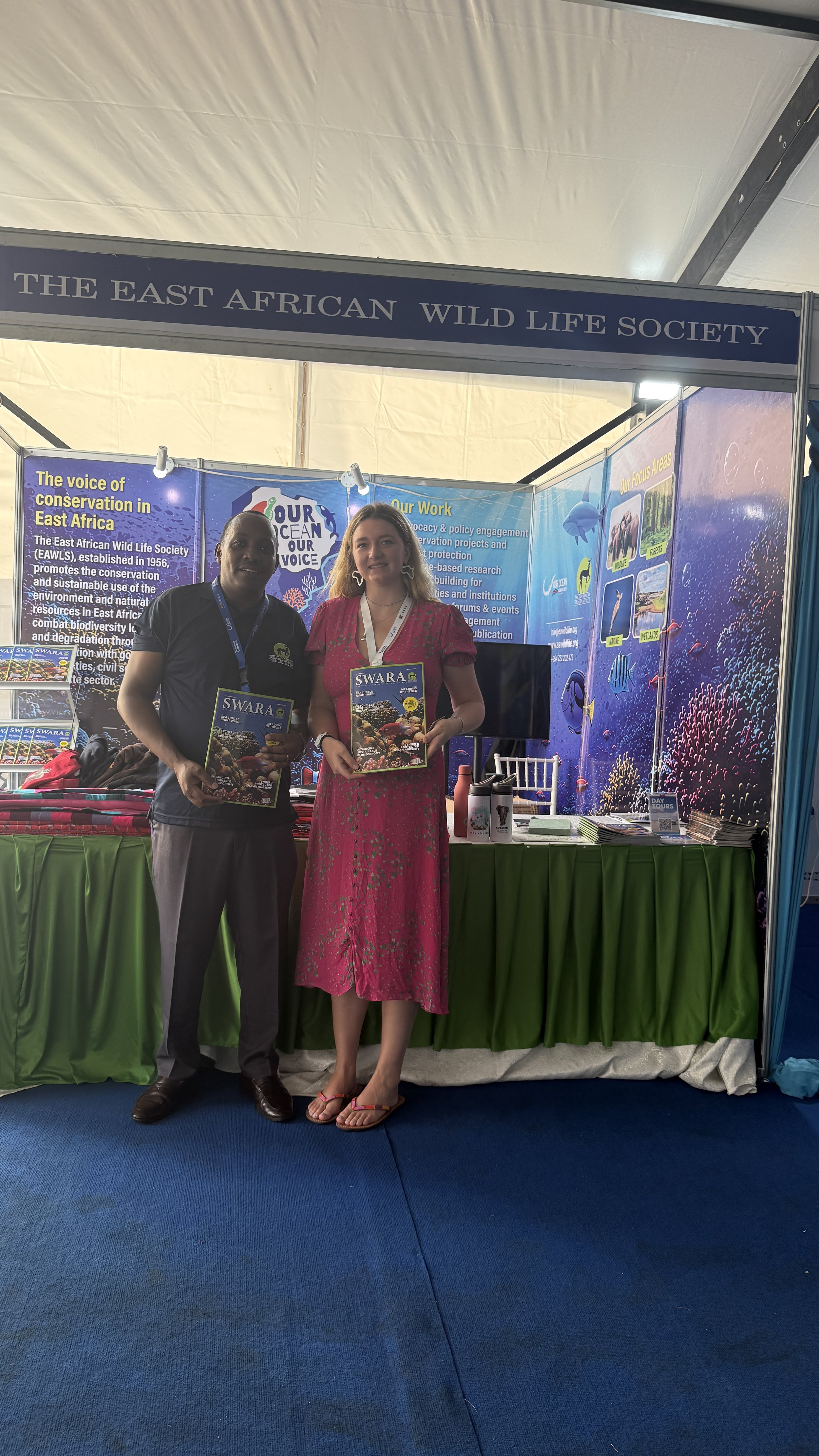
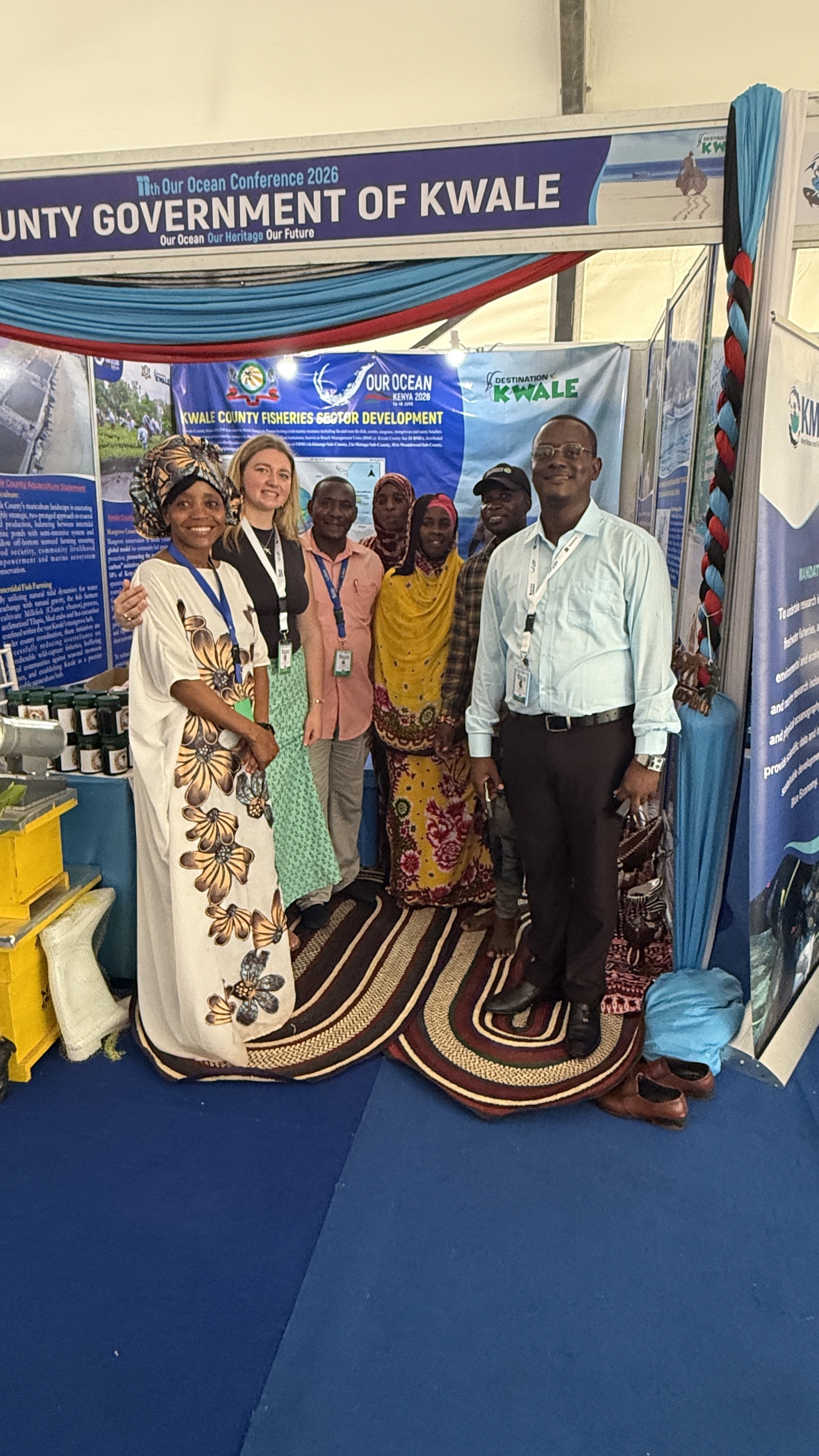
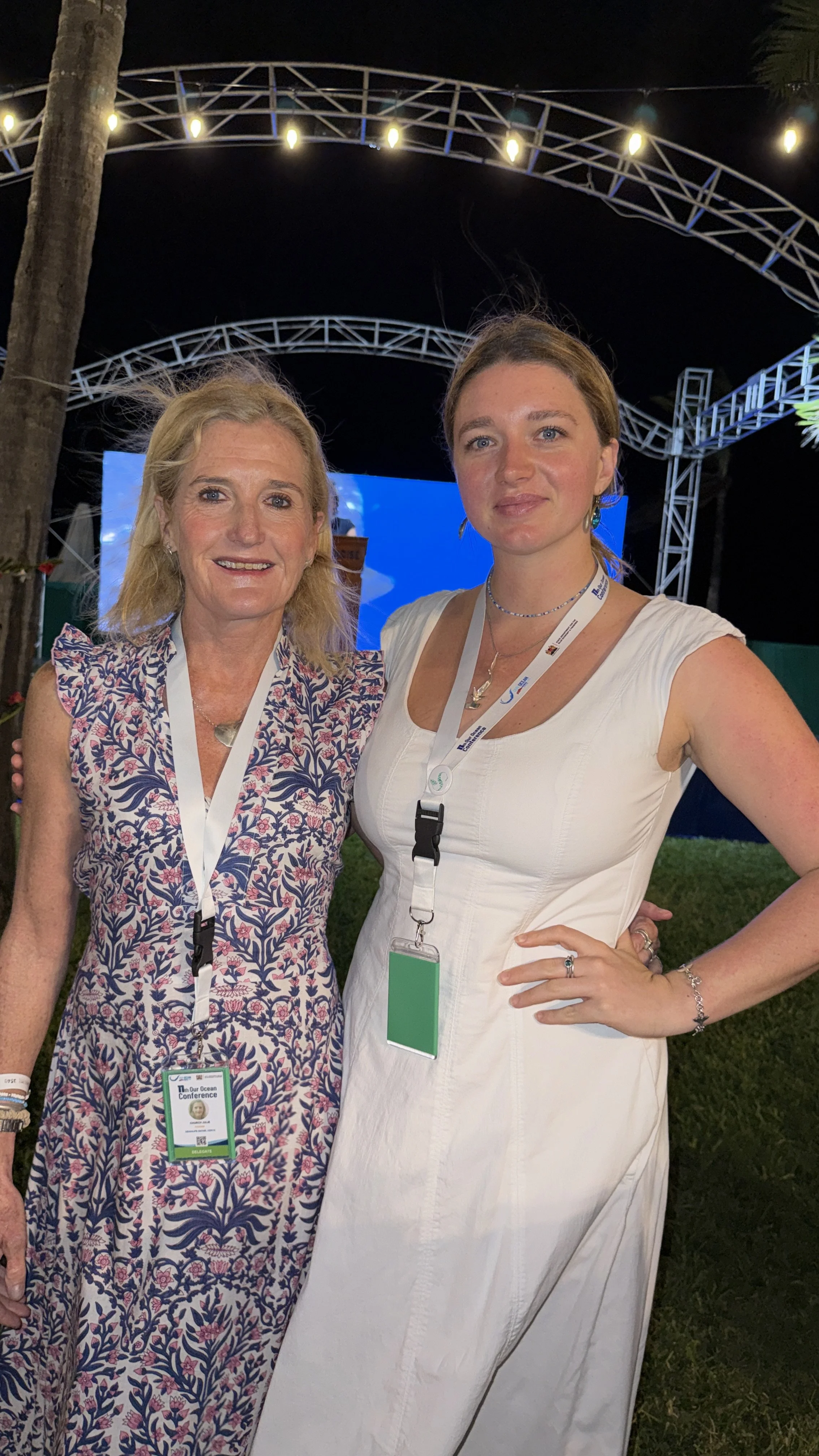
Julie Church and Kira represented Seas4Life across three days of the Our Ocean Conference in Mombasa this June, a biennial gathering that has run since 2014, built around six themes: marine protected areas, climate change, sustainable fisheries, marine pollution, the ocean climate nexus and maritime security. This is the fuller account of what they sat in on, who they met, and why it matters to the work we do on the water.
Day One — Tuesday, June 16 2026
Blue Radio: Speaking to the Youth
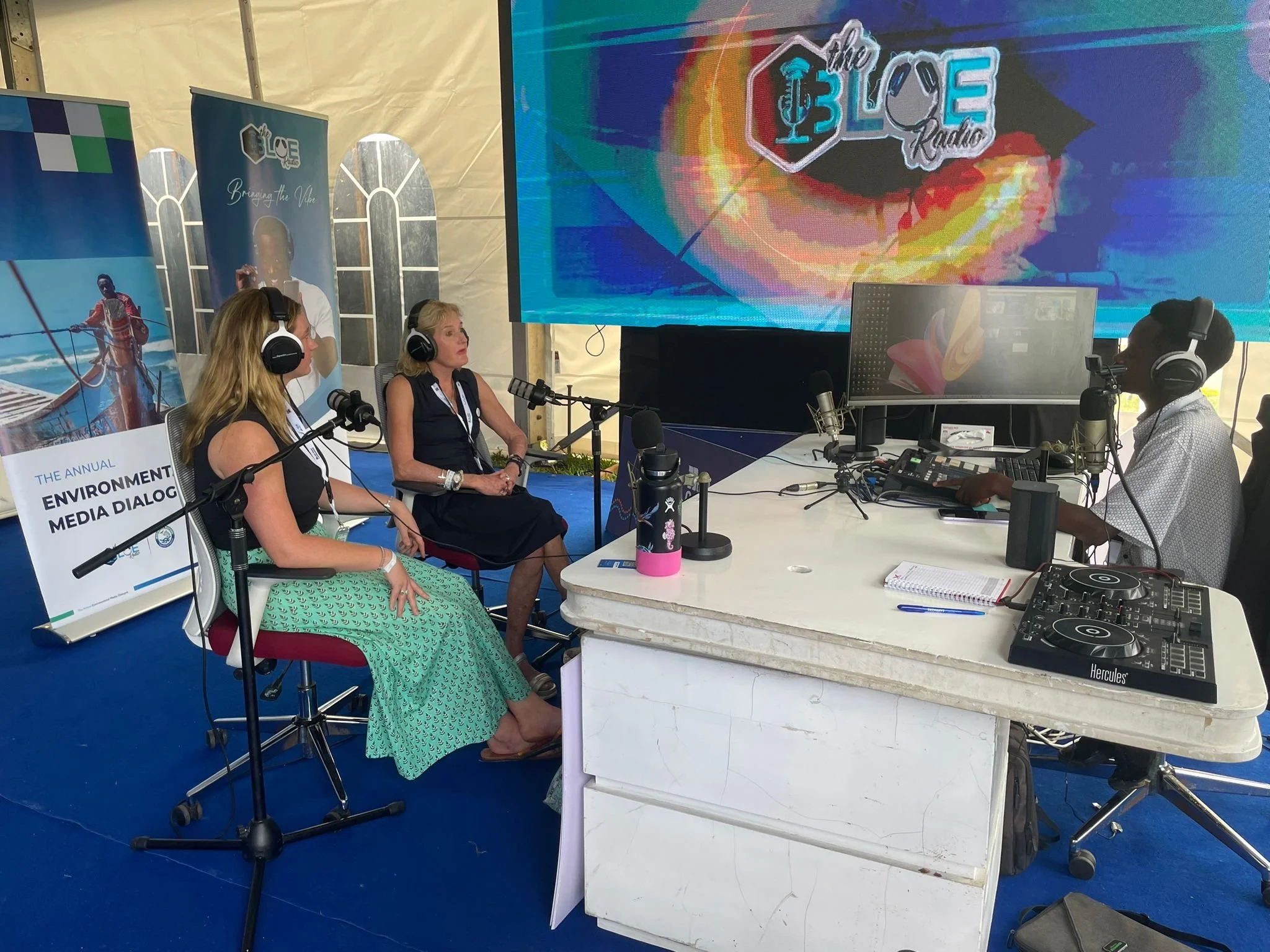
The day opened with Julie and Kira appearing on a Blue Radio segment, sponsored by Sote Hub, aimed at a youth audience. It was, in Julie's own assessment, a genuine opportunity to speak directly to a younger generation about ocean issues — not from a stage, but through a format built for them.
1000 Ocean Startups: Africa's Innovation Pipeline
The afternoon's first major session marked the launch of 1000 OS Africa, the regional arm of the global 1000 Ocean Startups coalition hosted by the World Economic Forum. The session brought together entrepreneurs, ecosystem builders, investors, and catalytic funders to address a specific, structural problem: Africa's ocean innovation ecosystem is growing, but remains poorly coordinated and rarely reaches the co-investment tables where it could scale.
Julie listened to a panel featuring figures from several different financial mechanisms - Baabar Calvi of FSD Africa, Maarten Derksen of the DOEN Foundation, Brenda Kibiku of Our Blue Future (Blue Finance Innovation Officer at GIZ), and Hannah Eskinder of BFA Global. She described the panel as strong, and the questions posed by Africa Hub, who chaired the session, as genuinely sharp. Her main takeaway was the sheer range of financial support mechanisms now available to ocean entrepreneurs - distinct pathways for investors, founders, and catalytic funders rather than a single, generic funding route.
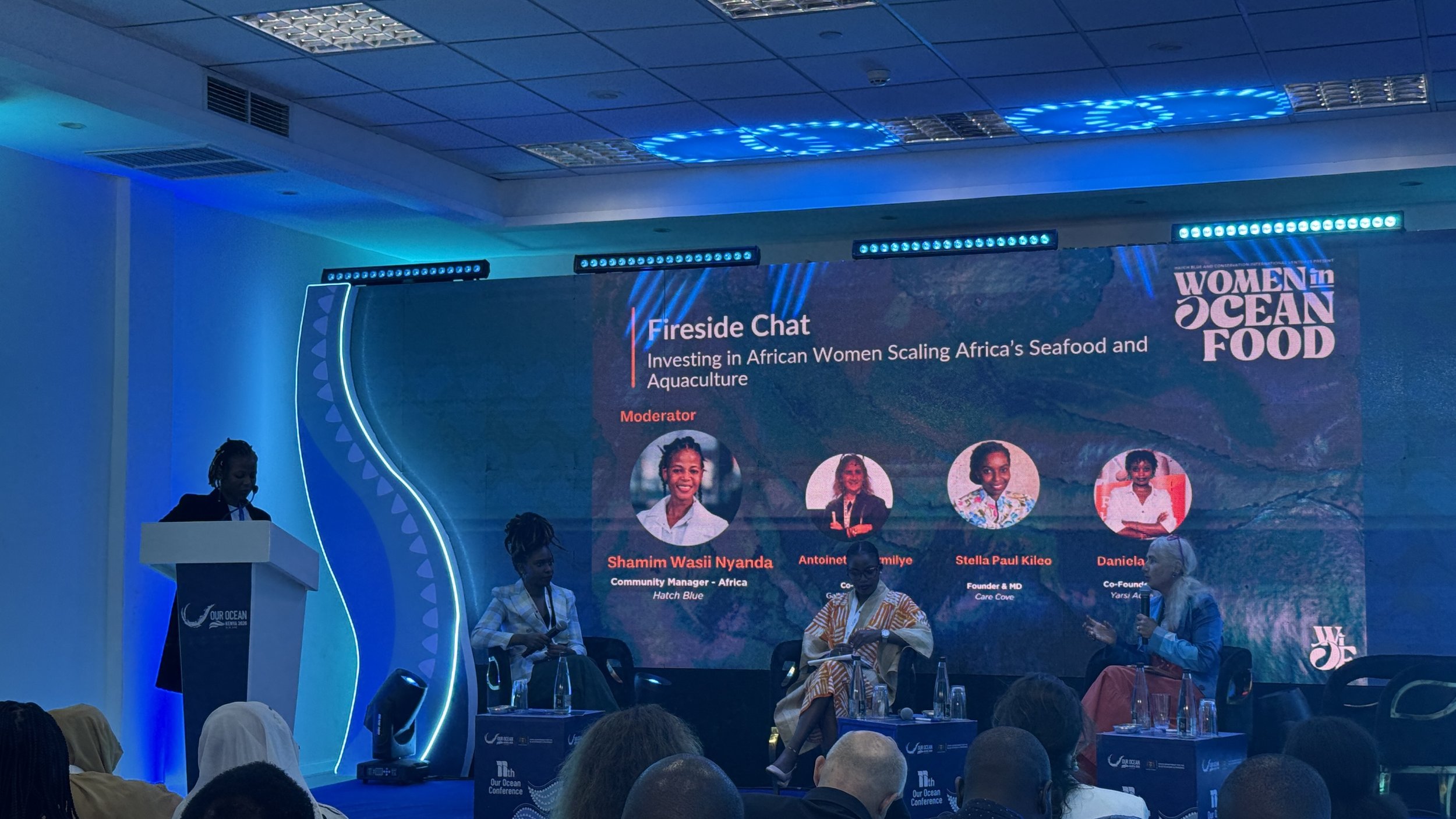
Kira attended a parallel session on investment in African women scaling seafood and aquaculture businesses. One detail stood out: Care Cove, a seamoss products business, had found export markets unpredictable and was instead focused on building a stable local market — including introducing seamoss into wellness products. Kira also noted Gallifrey, a venture philanthropy organisation that manages impact accounting across the social, health, and environmental outcomes of the businesses it supports, not just financial return.
From Local Action to Regional Impact: The WIO LMMA Alliance
The day's second major session focused on bringing communities and governments together around the 30x30 target - protecting 30% of the ocean by 2030. Julie heard remarks from Doreen Simiyu, regional coordinator for SWIOTUNA; Dr. Emmanuel Sweke, Manager of the Marine Park Reserve Unit in Tanzania, who spoke pointedly about government commitment; and Charles Nyale, Chair of the WIO LMMA Alliance and a former Kuruwitu representative. A commitment delivered by Malidadi Langa, Chairman of the Alliance of Indigenous Peoples and Local Communities for Conservation in Africa, stood out to Julie as excellent.
The session also marked the formal introduction and launch of the WIO LMMA Alliance - the Western Indian Ocean's network of Locally Managed Marine Areas — hosted by IUCN Madagascar, with a booklet distributed documenting the Alliance's structure and financial backers, including ReSea, Mission Inclusion, IUCN/GBW, and UK International Development.
A panel discussion followed, led by Arthur Tuda and including representatives from local fisheries, the Mwambao Community, Mihari Madagascar, and the Blue Nature Alliance. It was during this session that Julie noted the figure that would stay with her for the rest of the conference: as of that week, there were 1,600 days left until January 1, 2030 - the deadline for the global 30x30 commitment.
Evening: ORCA and a Founding Conversation
Earlier in the day, Julie and Kira had lunch with Al Harris and his colleague Steve R of the Ocean Resilience Climate Alliance (ORCA). Harris is the founder of Blue Ventures and has run Frontier Expeditions through that organisation - a connection Julie flagged for follow-up once Seas4Life's own expeditions strategy is fully defined.
Day Two - Wednesday, June 17
Opening Ceremony
The formal opening ceremony ran from 8:30 to 11:30 in the morning - longer than expected, in Julie's assessment, but significant. The ceremony included remarks from JF Kerry, founder of the Our Ocean Conference, alongside Kenya's Deputy President and Mombasa's county leadership, Governor Nassir and Cabinet Secretary for Mining, Blue Economy and Maritime Affairs of Kenya Hassan Ali Joho.
JF Kerry's Address: A Dire Reality, Not a Future Warning
Kerry opened by reframing the conference's premise. The ocean crisis, he argued, is not a future risk to be managed ahead of time - it is already underway. The ocean has absorbed roughly 90% of the excess heat generated by climate change, and its chemistry has shifted in ways unseen for millions of years. More than a third of global fish stocks are now harvested beyond sustainable limits, and close to half the world's coral reefs are already lost or severely degraded. Millions of tons of plastic enter the ocean every year, breaking down into microplastics that are now found in the human body.
From that assessment, Kerry argued that the ocean has to sit at the center of climate policy, not alongside it - and that doing so requires an active transition away from fossil fuels, not a peripheral commitment to conservation. He then laid out five specific areas demanding immediate focus.
30 by 30 - reaching the target of protecting 30% of the world's ocean by 2030 requires real enforcement of protections already designated, not simply drawing lines on a map.
The High Seas Treaty - moving the agreement from a signed promise to active practice, through wider ratification and real implementation on the water.
Illegal, unreported, and unregulated fishing - intensifying the fight against a practice that directly threatens food security and the economies of coastal communities.
Blue carbon investment - dramatically increasing funding for resilience, adaptation, and the protection of blue carbon ecosystems like mangroves and seagrasses, among the most effective natural systems for storing carbon.
Commitment tracking - Kerry commended the conference's own practice of publicly tracking its commitments - 41% complete, a further 41% in progress - and pressed the room to keep moving from speeches into tangible implementation.
He closed on a single reframing: that the ocean has served, for generations, as humanity's silent ally - absorbing our heat, regulating our climate, asking nothing in return. It is now time, he argued, for humanity to become the ocean's ally in turn, and to act on its behalf.
It's the line Julie filmed in full, and the one she's referenced most since returning - not as a slogan, but as a fair description of where Seas4Life's own work now needs to sit.
Kenya's Address: Domestic Action and Three Asks
The Kenyan government address laid out the country's current ocean measures: restoring mangroves, cleaning coastal waters, reforming fisheries, and strengthening ocean governance, alongside a push toward blue finance, science, and innovation. From that foundation, the speaker issued three direct requests to international partners; financing, technology, and enforcement support to help protect 30% of the ocean by 2030; investment capital that builds industry, creates dignified work, and restores ecosystems; and active partnership against illegal, unreported, and unregulated fishing, described as a direct threat to coastal communities, legitimate business, and maritime security.
The address closed on a pointed note: ocean protection requires tangible financial commitments, not promises, and Africa should not be expected to carry the greatest burden protecting resources that sustain the entire world. Mombasa itself was framed in the address as a fitting setting (a city with a long history connecting global commerce and culture) for a conference meant to produce measurable action and real partnerships rather than further dialogue.
Assisted Evolution: A Decade of Coral Research at Shimoni
The afternoon's most substantial technical session, for Kira, came from Reefolution Foundation Kenya, Reefolution Trust, and the University of Wageningen, presenting ten years of coral research across study sites at Shimoni, Wasini village, and Mkwiro including a 3-kilometre artificial reef, among the largest in the region.
The session covered new findings on coral bleaching mechanics that update the prevailing theory. The old model held that heat causes a coral's algal symbionts to overproduce, triggering bleaching. New research presented at the session suggests a different mechanism: at high heat, the oxidative stress response actually fails, the algae stops photosynthesising, and is then digested by the coral itself. This process that may explain rising disease rates under heat stress, distinct from bleaching alone. Corals can survive roughly six weeks without their algal symbionts before the damage becomes terminal, a finding drawn from Downs et al.'s 2009 paper in Autophagy.
The proposed response is a framework the researchers termed Secure, Adapt, Restore, Conserve. Securing involves cryopreservation of the most vulnerable coral species, in partnership with CORDAP, NATURE, and Pwani University. Adapting means selectively breeding heat-tolerant corals with heat-evolved algal symbionts which has already shown colour recovery in some specimens and the ability of certain corals to take up new zooxanthellae. Restoring means outplanting the adapted corals; conserving means protecting and monitoring the resulting reef systems long-term.
Reefolution also introduced the concept of a “reef ranger”, a trained coral restoration practitioner drawn from the local community, and described the broader community model behind their decade of work: alternative livelihoods training, octopus fishery closures, and direct community involvement in managing and protecting the reef systems they depend on.
Kira's notes from the session's discussion raised several open questions worth tracking: how to properly incorporate Local Ecological Knowledge into coral research design; the fact that roughly 60% of reefs in the region share the same zooxanthellae species, while 40% may carry different symbionts, meaning each coral may have its own distinct microbiome still to be mapped; and the layered cost of implementation - electricity, land-based facilities, capacity building, and the government permissions required from KMFRI, NEMA, WRTI, and KWS. The session closed on a point of ethics: the importance of framing this work as community safeguarding and long-term investment, not a tradeoff between communities and corals.
The Great Blue Wall: Five Years of Impact
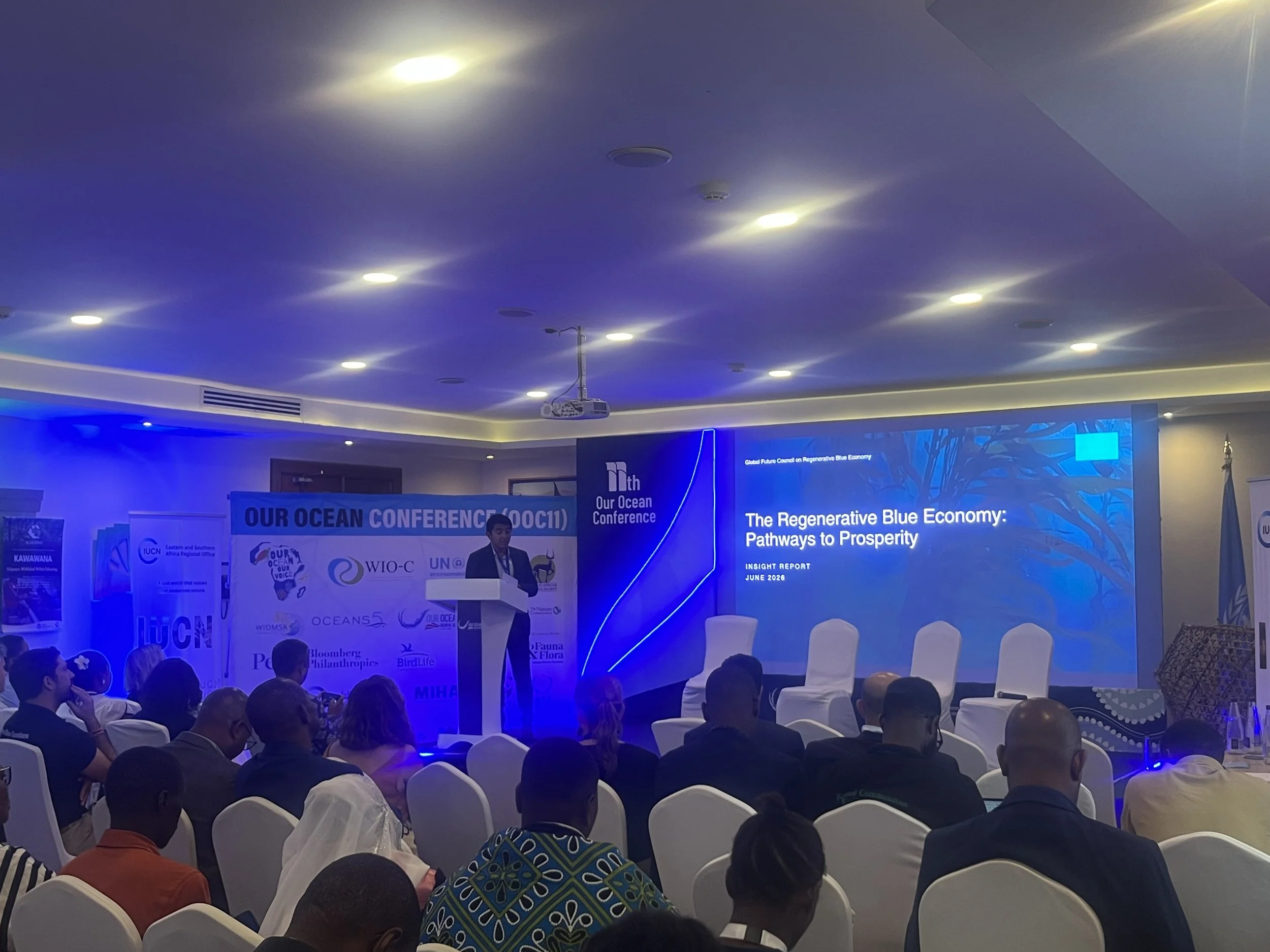
In the afternoon, Julie attended the IUCN's launch of the Great Blue Wall Impact Report 2021–2025 at the WIO-C Pavilion — a regenerative seascape movement that began in the Western Indian Ocean and has since grown into a coalition of governments, communities, scientists, youth, Indigenous Peoples, civil society, and the private sector. The session ran alongside the World Economic Forum's launch of a companion publication, the Regenerative Blue Economy: Pathways to Prosperity insight report.
Julie described the panel on the Regenerative Blue Economy as excellent, featuring Nassim Owlmane of UN Comoros, Hertland Cervaux of Ocean Hub, and Dr. Ana Spalding and Dr. Rashid Sumaika of the University of British Columbia. She flagged Dr. Sumaika's contribution on regenerative business and the blue economy as particularly strong, and noted specific language from the session — “nature positive” and “regenerative business” - worth carrying into Seas4Life's own strategy.
Day Three - Thursday, June 18
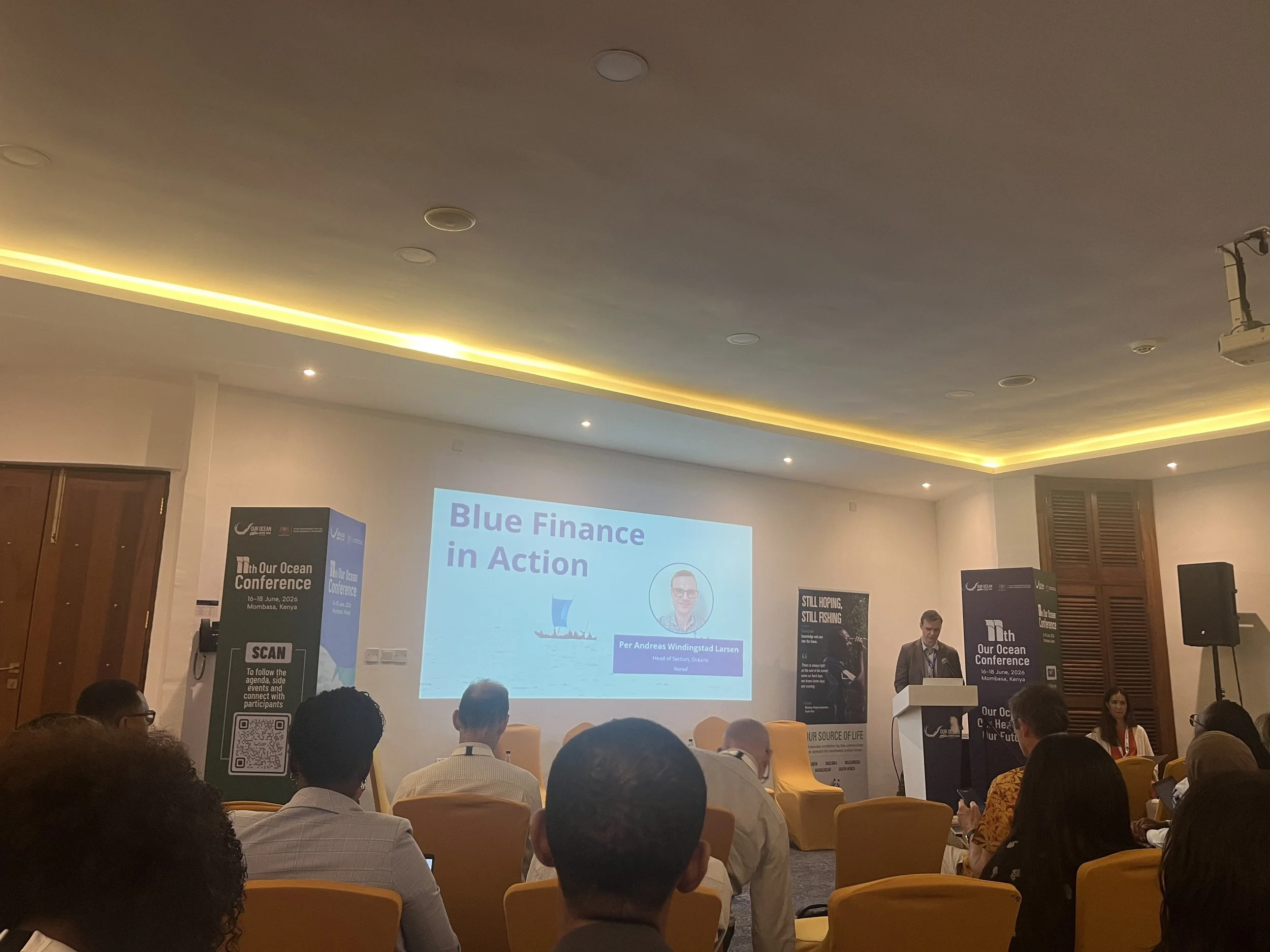
Blue Finance in Action
The morning's session addressed one of the conference's recurring tensions directly: coastal communities are already delivering real conservation outcomes, but remain underfunded and unable to scale. The session brought together governments, investors, civil society, and coastal community leaders to explore financing models that could close that gap.
Several new initiatives were announced during the session, including the Marine Biodiversity and Community Resilience Fund, the Northern Mozambique Channel Financing Facility, the Sanlam Blue Frontier Fund, and the SWIO Venture Builder, each designed to deliver measurable ecological and socio-economic outcomes while strengthening community governance. Julie noted WWF's commitment to the space, along with funding support from NORAD and several financial institutions tied to Sanlam.
What This Means for Seas4Life
Four threads from the week translate directly into our work on the water and on the coast.
The Reefolution coral research at Shimoni, Wasini, and Mkwiro is the clearest science we've encountered on why some reefs recover from bleaching and others don't and it sits inside the same stretch of coastline where our own expeditions and Foundation work already operate.
The WIO LMMA Alliance's launch, and the community-led governance model it represents, mirrors the structure our Foundation partnerships already depend on and gives us a regional network to learn from and connect into.
The Great Blue Wall's regenerative seascape work in the Comoros–Madagascar corridor is a live opportunity for our expeditions to contribute directly, not just adjacently
The Shark Conservation Fund's decade of work in East Africa, marked at the conference, is a direct match for the shark seasons already at the center of our H2 expedition calendar in Kenya and Tanzania
Julie left Mombasa with one number she hasn't stopped repeating since: 1,600 days left until 2030. A deadline already in motion, and a fair match for Kerry's closing line from the opening ceremony: that the ocean has been humanity's silent ally for generations, and it's now our turn to act on its behalf.