
Photographing Change in the Maldives 17–27 February 2027: A Coral Reef Monitoring Expedition in the Northern Atolls
Last updated 28 September 2026
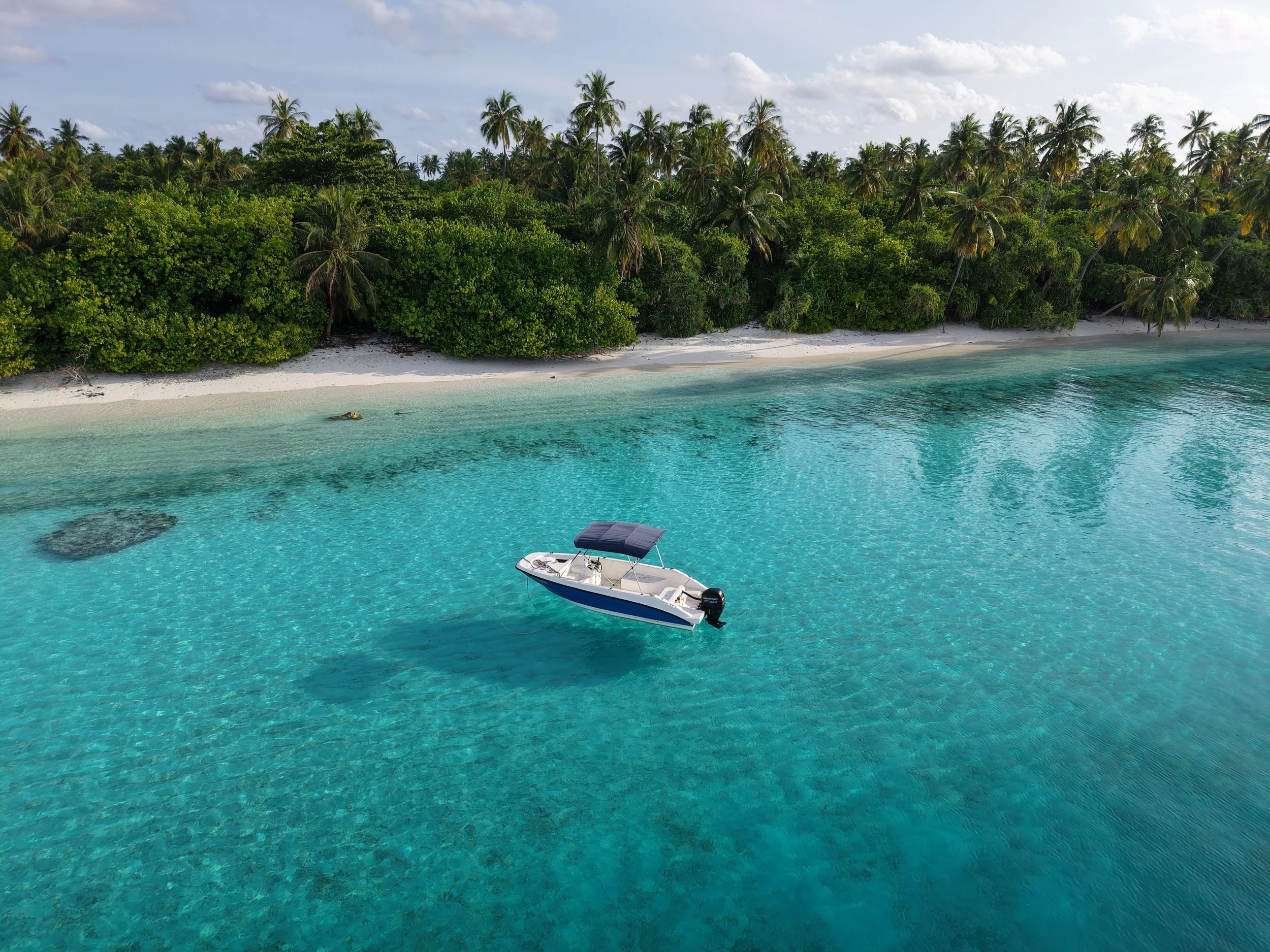
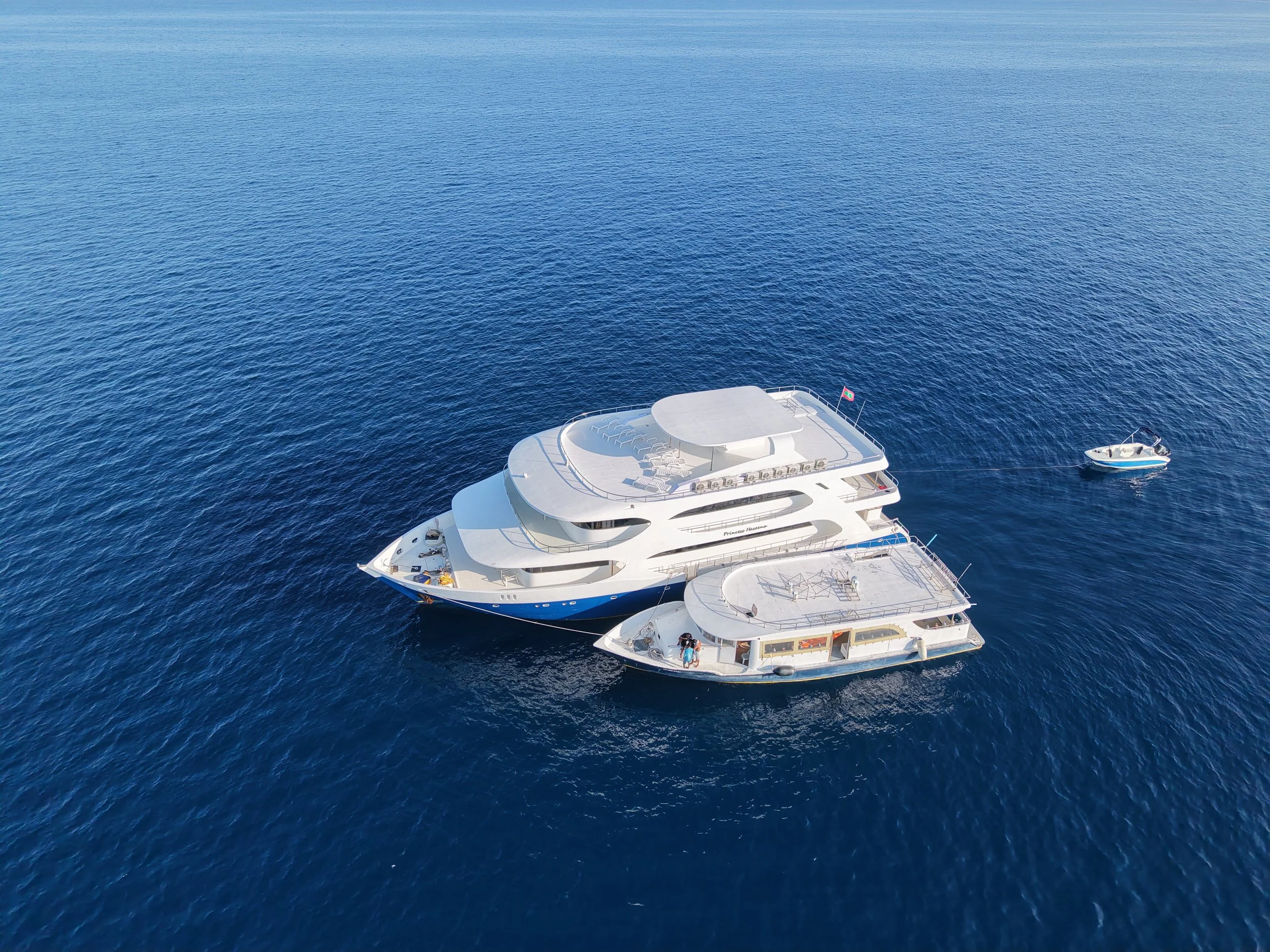
Photographing Change in the Maldives is an 11-day small-group dive expedition, 17–27 February 2027. Certified divers travel from Hanimaadhoo through the northern atolls aboard the liveaboard Princess Haseena. They photograph and document coral reefs alongside marine biologists, building a record of how these reefs are changing.
Key facts
Dates: 17–27 February 2027 (11 days)
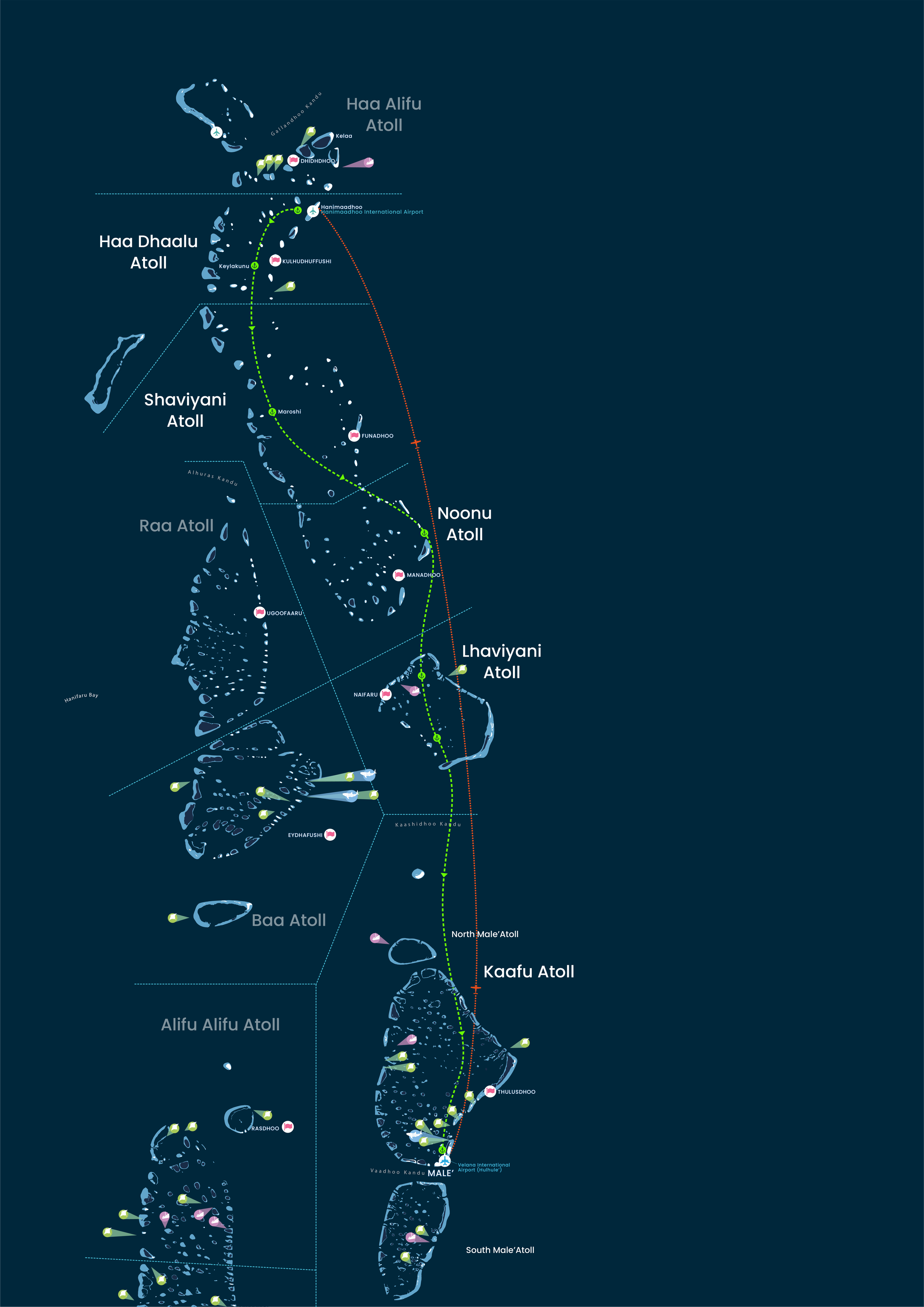
Route: Malé → Hanimaadhoo → 7-night liveaboard south through Noonu Atoll → Malé
Group size: 10–14 guests
Price: US$8,900 per person sharing, full board
Certification: PADI Advanced Open Water (or Open Water, completing Advanced onboard)
Led by: Umeed Mistry (Earth Colab), Tasneem Khan, Julie Church, Imdhaadh Ali "Redey” (Hanimaadhoo Dive and Watersports)
Partners: Earth Colab, Save the Beach Maldives
Why document change in the Maldives?
The Maldives holds roughly 3% of the world's coral reefs, and its reefs have been through repeated heat stress. Major bleaching events have affected Maldivian reefs in 1998, 2016 and 2023. A 2016 survey led by the Maldives Marine Research Center with IUCN found that about 60% of the coral colonies assessed were bleached, and up to 90% at some sites. More recently, NOAA reports that bleaching-level heat stress reached 84% of the world's reef area between early 2023 and mid-2025, across the Pacific, Atlantic and Indian Oceans. maldives coral reefs under stress climate change research survey reveals over 60 corals bleached +3
Reefs can recover, but only if someone is watching. Repeat observations from the same places show whether a reef is recovering, holding steady or declining. That continuity is the gap this expedition is designed to help close.
What is a coral reef monitoring expedition?
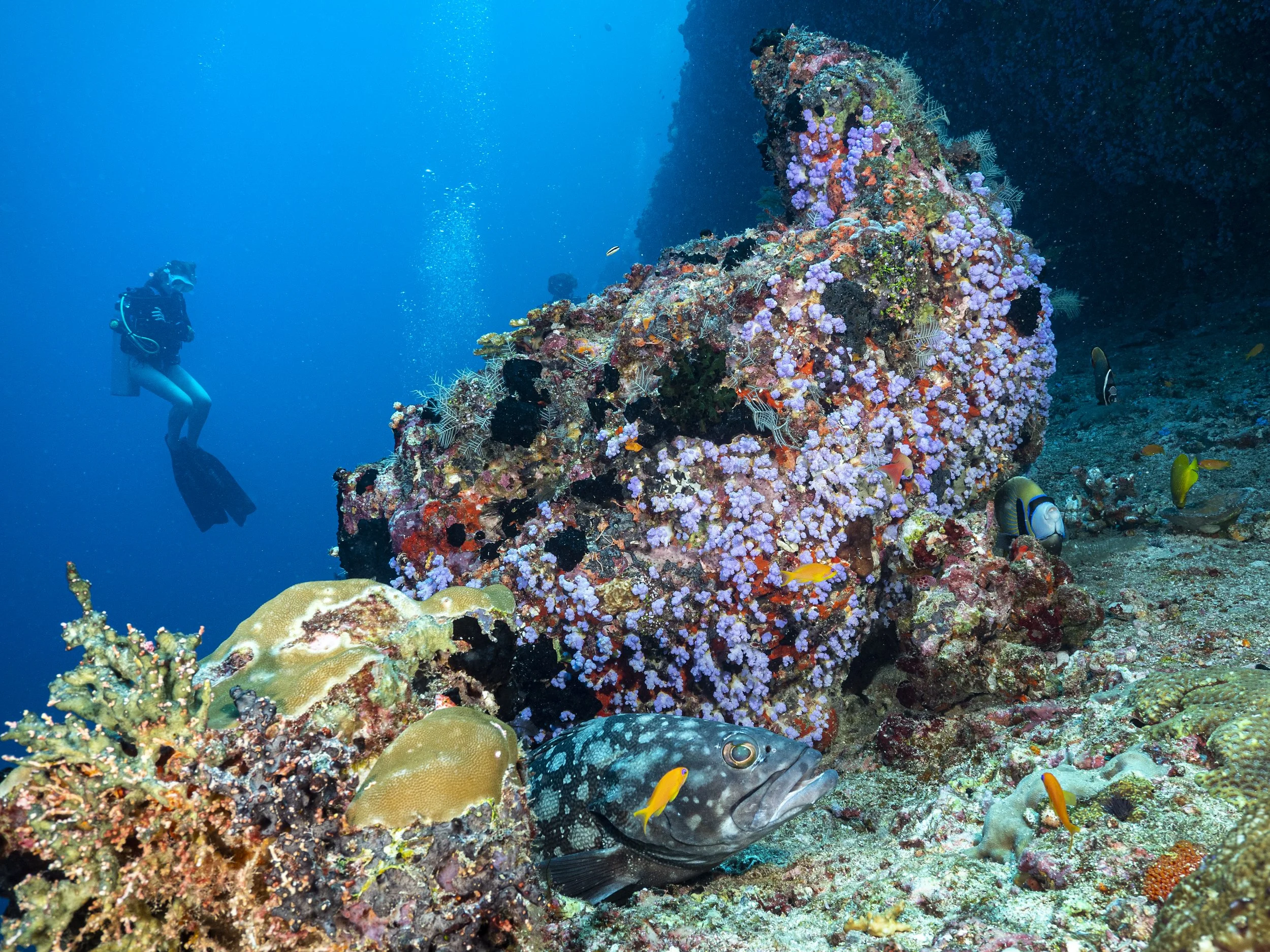
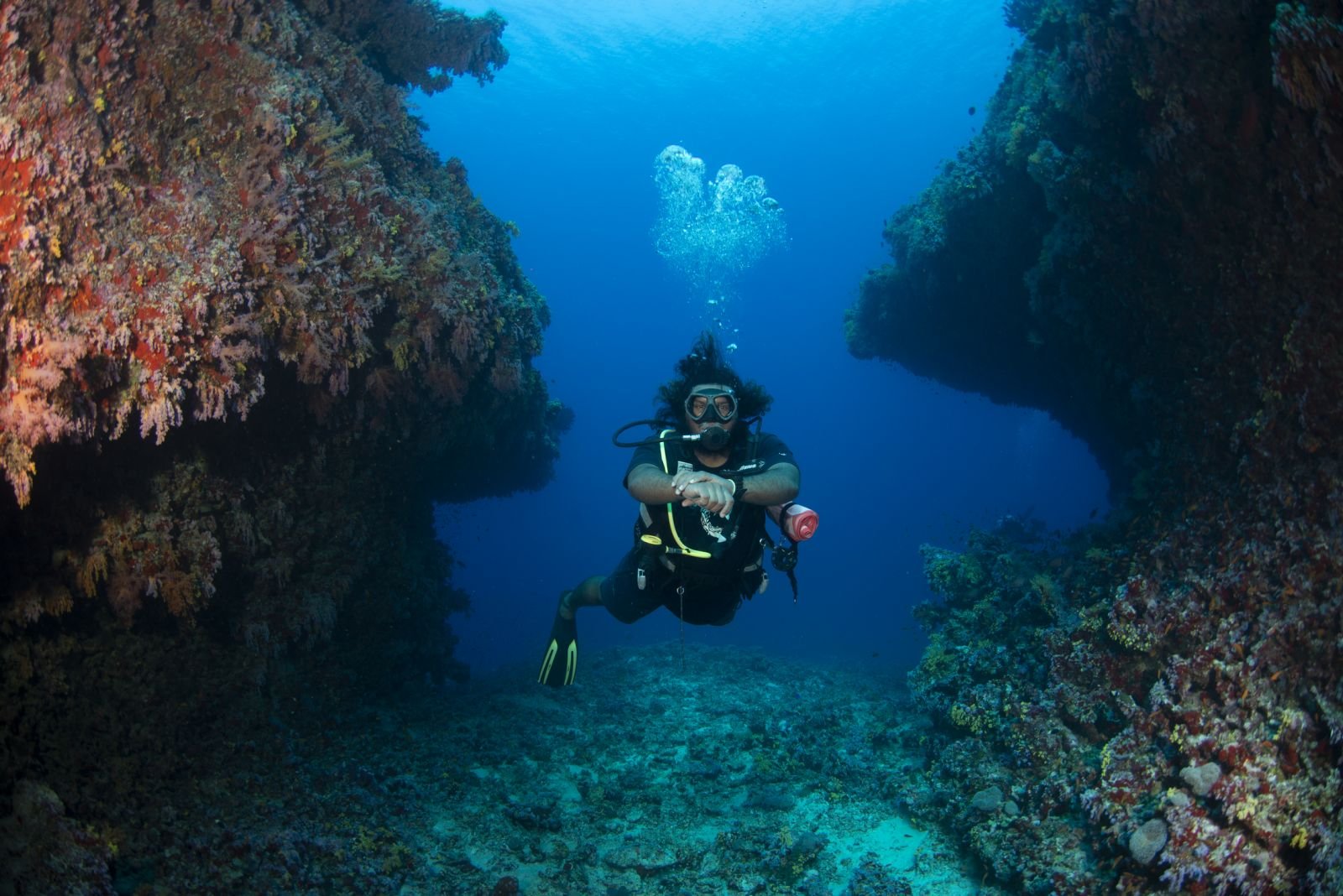
A coral reef monitoring expedition is a citizen-science dive journey. Guests collect structured observations and photographs of coral condition, species and habitat, which conservation partners can use as records over time. Guests take part in the work, and marine biologists guide it.
On this route, contributions fall into three areas:
Coral reef monitoring and observations: diversity, condition, bleaching, disease or damage, and signs of recovery.
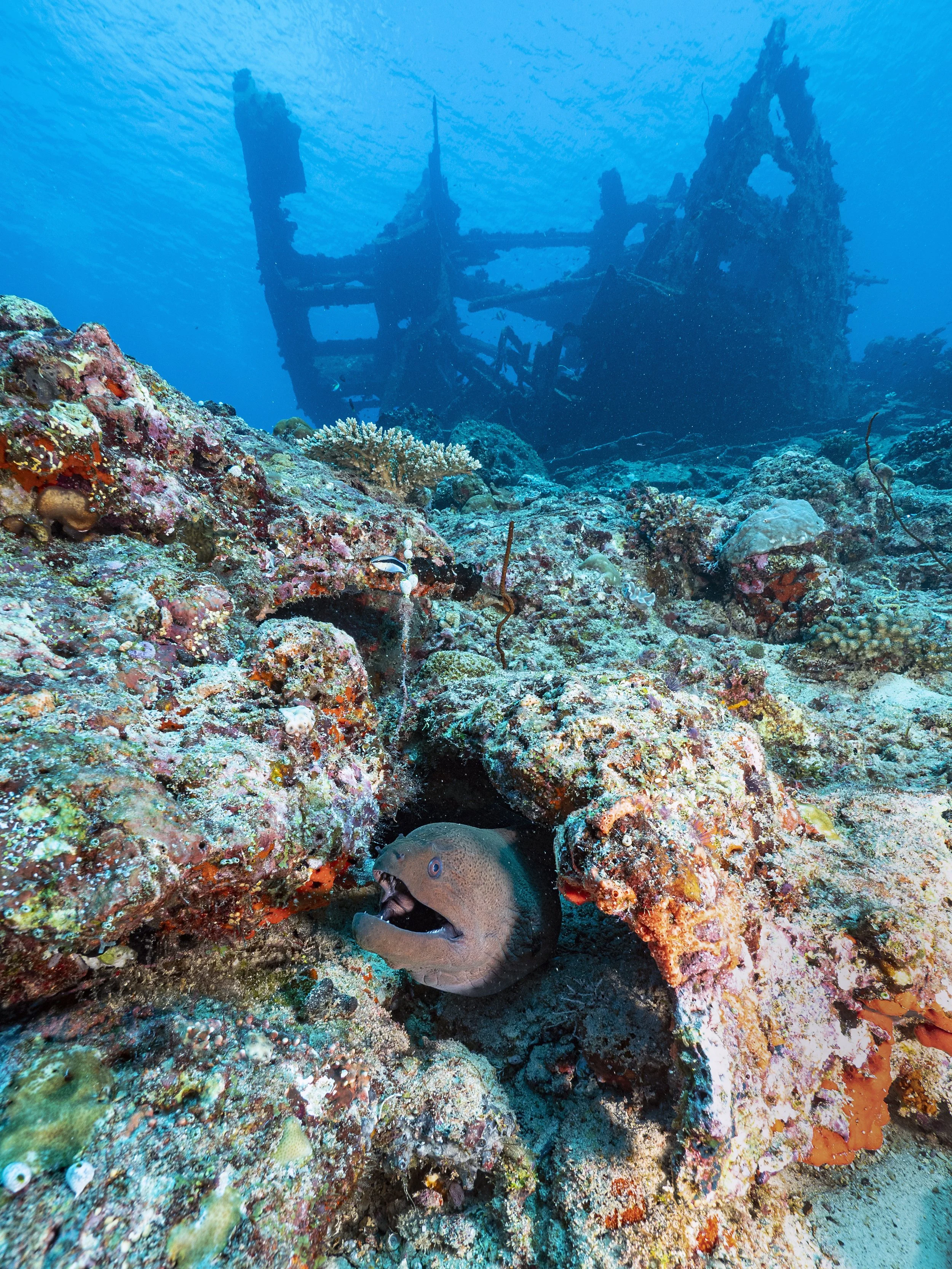
Marine biodiversity documentation: corals, reef fish, invertebrates and other species.
Underwater imagery and habitat documentation: photographs that support species identification, create a change-over-time record, give conservation partners visual references, help identify research areas and widen monitoring coverage.
The route
Day1 (17 Feb) Malé Arrival and welcome briefing
Day 2–4 (18–20 Feb) Hanimaadhoo Group transfer, time on a local island, 1–2 offshore dives
Day 4–11 (20–27 Feb) Princess Haseena liveaboard Seven nights travelling south through Noonu Atoll, with daily diving, underwater photography, reef observation and expert-led discussions. Dive sites include Maaya Thila, Fish Head and Manta Point.
Day11 (27 Feb) Malé Return and departure
Most Maldives travel is built around resort islands. This route runs through the northern atolls instead, closer to local island life and to reefs that get far less attention.
Why February?
February falls in the Maldives' driest season, with visibility of 30 metres or more. Hanimaadhoo also sits on the eastern rim of its atoll, where Northeast Monsoon currents carry nutrient-rich water into deep channels. This creates a pelagic highway for sharks and eagle rays. It is the season when the water is clearest and the reefs are busiest.
What the team documents
The species this route is known for:
White tip, black tip and grey reef sharks
Eagle rays and manta rays
Hawksbill and green turtles
Barracudas and tunas
Giant Napoleon wrasse
Ornate ghost pipefish
Wildlife encounters can never be guaranteed. Learning to read the reef is the point: currents, temperature and behaviour explain why these animals are where they are.
Who guides the expedition
Umeed is an underwater photographer and marine biologist with Earth Colab, a PADI Staff Instructor with 30 years of diving experience.
Tasneem is a marine zoologist and former director of [spell out ANET], and leads the expedition and liveaboard programme.
Julie Church is the founder of Seas4Life and an ocean educator with deep experience across the Western Indian Ocean.
Redey (Imdhaadh Ali) is co-founder of Hanimaadhoo Dive and Watersports and a local Maldivian PADI/SSI instructor.
Where your booking goes
Every Seas4Life expedition supports the Seas4Life Foundation. Your fare includes a donation to teach a Kenyan child to swim, one stage of the Discover Ocean Initiative. It takes coastal school children from classroom learning through rock pooling and swimming to their first guided snorkel. For many of them, it is their first direct experience of the sea.
What's included
Included: accommodation, transfers, domestic flights, the liveaboard, one night dive, Nitrox if qualified, dive gear rental, carbon offsetting, and the Seas4Life Foundation’s donation.
Not included: international flights, insurance, tips, alcohol and soft drinks, personal items, the PADI Advanced course fee, and photography equipment.
Frequently asked questions
Do I need to be an advanced diver?
You need PADI Advanced Open Water. Open Water divers can complete Advanced onboard if they finish the theory before departure.
How much does the expedition cost?
US$8,900 per person sharing on a full-board basis, with an extra US$1,850 for single supplement. International flights are not included.
How do I get to the Maldives from the US, UK or Europe?
Book international flights to Velana International Airport in Malé (MLE) to arrive by 17 February. The domestic flight to Hanimaadhoo is included.
Will I see manta rays and sharks?
The route is known for both, along with eagle rays and turtles. Sightings depend on conditions and can't be promised.
Do I need my own camera?
Photography equipment isn't included, so bring your own.
Why February?
It is the driest month, with 30-metre-plus visibility and Northeast Monsoon currents that draw sharks and rays into the channels.
Is this a good alternative to a resort holiday?
It is a different kind of journey. It suits divers who want a working, learning expedition with marine biologists more than a rest.
Ready to look closer?